





Dr. Sahebjeet Kaur
Dr. Sahebjeet Kaur
Dr. Sahebjeet Kaur Profile
Dr. Sahebjeet Kaur is an RCI Licensed Clinical Psychologist with extensive experience in providing mental health support to individuals across all age groups. With a Psy.D. (Doctor of Psychology) in Clinical Psychology from AUUP, Noida, and professional training from reputed institutes, she brings a wealth of knowledge and empathy to her practice. Over the course of her career, she has worked with more than 10,000 clients, helping them overcome emotional, psychological, and behavioral challenges.
Her areas of expertise include stress management, anxiety, depression, PTSD, trauma recovery, body image issues, and anger management. She also provides support for relationship and marital issues, helping couples and individuals strengthen emotional bonds and navigate complex relationship dynamics. Dr. Sahebjeet specializes in adjustment difficulties, cultural transitions, and building positive self-esteem among individuals.
Her approach to therapy is integrative, combining Cognitive Behavioral Therapy (CBT), Rational Emotive Behavior Therapy (REBT), clinical hypnotherapy, and other evidence-based interventions. She strongly believes in creating a safe, supportive, and non-judgmental environment where clients feel heard, respected, and empowered to make positive changes in their lives.
Dr. Sahebjeet’s counseling sessions are built on trust and confidentiality, with a focus on understanding each client’s unique story and tailoring therapeutic interventions accordingly. Her compassionate guidance and structured approach have helped thousands of individuals overcome their struggles and lead emotionally fulfilling lives.
Training + Education
- Psy. D. (Doctor of Psychology) Clinical Psychology (Rehabilitation Council of India) from AUUP, NOIDA.
- M.Sc. Psychology from Indian Institute of Psychology and Research (IIPR), Bangalore University, Bangalore.
- Psychology (Hons) from MCM DAV College, Punjab University, Chandigarh.
- Life Skills Trainer’s Programme, Indian Institute of Psychology and Research (IIPR), Bangalore.
- Academic Writing and Research Skills, Indian Institute of Psychology and Research (IIPR), Bangalore.
- PG Diploma in Hypnotherapy, International Society for Clinical and Experimental.
- Hypnosis, Mind matters, Bangalore.
Experience
- Consultant Clinical Psychologist, Mukat Hospital, Chandigarh.
- Consultant Clinical Psychologist, AMCARE Hospital, Zirakpur, Punjab.
- Consultant Clinical Psychologist, Rocket Health.

×
Dr. Sahebjeet Kaur
Position: Chief Clinical Psychologist
Categories: Counselling
Language: English, Hindi, Punjabi
Location: Delhi NCR
Email: support@manochikitsa.com
BOOK APPOINTMENT @₹1249/
Available slots
Dr. Sahebjeet Kaur Skills
- Stress Management
- Depression
- Anxiety Disorders
- Relationship Issues
- Parenting Challenges
- Low Self-Esteem
- Anger Management
- Grief and Loss
- Trauma and PTSD
- Eating Disorders
- Sleep Disorders
- Addiction Recovery
- Career and Workplace Stress
- Burnout
- Coping with Chronic Illness
- Phobias
- Social Isolation and Loneliness
- Body Image Issues
- Pre-Marital Counseling
- Post-Marital Conflicts
- LGBTQ+ Concerns
- Child Behavioral Issues
- Emotional Regulation
- Adjustment Disorders
- Communication Problems
- Family Conflicts
- Coping with Divorce or Separation
- Exam Stress and Academic Pressure
- Time Management Issues
- Overthinking and Rumination
- Sexual Wellness and Intimacy Issues
- Stress of Caregiving
- Life Transitions
- Identity Exploration
- Emotional Impact of Infertility
- Midlife Crises
- Financial Stress
- Geriatric
Dr. Sahebjeet Kaur specializes in clinical psychology which provides comprehensive mental and behavioral health care for individuals, couples, families and groups. She can cater to Depression, Stress, Anxiety, Substance Use, OCD, Personality Disorders, Sleep Disturbance, Suicidal thoughts, Schizophrenia and other emotional and psychological difficulties.
Therapeutic Expertise and Specializations
- Cognitive Behavioral Therapy (CBT)
- Dialectical Behavior Therapy (DBT)
- Mindfulness-Based Cognitive Therapy (MBCT)
- Acceptance and Commitment Therapy (ACT)
- Eye Movement Desensitization and Reprocessing (EMDR)
- Psychodynamic Therapy
- Solution-Focused Brief Therapy (SFBT)
- Narrative Therapy
- Trauma-Focused Therapy
- Interpersonal Therapy (IPT)
- Exposure Therapy
- Schema Therapy
- Rational Emotive Behavior Therapy (REBT)
- Grief Counseling
- Family Systems Therapy
- Couples Therapy
- Art Therapy
- Play Therapy (for children)
- Career Counseling
- Stress Management Counseling
- Anger Management Therapy
- Relaxation Therapy
- Hypnotherapy
- Guided Imagery Therapy
- Behavioral Therapy
- Positive Psychology Therapy
- Existential Therapy
- Supportive Counseling
- Motivational Interviewing (MI)
- Psychoeducation Therapy

How You Can Book a Session With Me
Clients from India and abroad can book sessions through the platform..
- Choose a date and time from my available slots (as per your time zone)
- Select the session type (video or audio)
- Complete the secure payment (domestic or international)
Instant confirmation, no emails or follow-ups needed.
Interview With Psychologist
https://www.youtube.com/watch?v=XHOmBV4js_E
Your Emotional Wellness Matters
Explore common questions and answers to understand more about therapy and my approach
1. Is counseling with you a safe space?+
Absolutely. My priority is to create a supportive and non-judgmental environment where you can freely express yourself. I ensure that every session is a space where you feel safe and valued.
2. Is therapy confidential, and how is my privacy protected?+
Yes, confidentiality is the foundation of my practice. Everything you share in therapy remains private and is protected by strict ethical standards. Your trust is very important to me.
3. As a client new to therapy and counseling, how do you help me?+
I understand that starting therapy can feel intimidating. I make sure to guide you step by step, explaining the process and addressing any concerns you might have. Together, we’ll create a plan that works best for you and helps you feel at ease.
4. What can I expect during the first therapy session?+
The first session is an opportunity for us to understand your concerns and goals. I’ll ask about your background and what brought you to therapy. It’s a collaborative process where we’ll decide how to move forward.
5. How long does each session last?+
Each session is 45 minutes long. This allows us enough time to address your concerns while maintaining focus and productivity.
6. Are sessions conducted online?+
Yes, all my sessions are conducted online. This allows you to attend therapy from the comfort of your home or any other place you feel comfortable.
7. What issues or concerns do you commonly address in therapy?+
I work with a variety of concerns, including stress, anxiety, depression, interpersonal issues, mood disorders, OCD, trauma, and behavioral challenges. My approach is always tailored to your unique needs.
8. What therapeutic approaches do you specialize in?+
I take an eclectic approach, using methods like Cognitive Behavioral Therapy (CBT), Dialectical Behavioral Therapy (DBT), mindfulness techniques, Acceptance and Commitment Therapy (ACT), and Eye Movement Desensitization and Reprocessing (EMDR). The approach depends on what’s best for you.
9. Do you provide therapy for couples or relationship issues?+
Yes, I offer therapy for couples and individuals experiencing relationship challenges. Whether it’s improving communication or navigating conflicts, I’m here to help.
10. Do you offer individual, group, or family therapy sessions?+
I provide individual therapy and family systems therapy, depending on what you need. Currently, I don’t offer group therapy sessions.
11. Do you provide support for LGBTQ+ clients or other specific communities?+
Yes, I provide an inclusive and welcoming space for clients from all communities, including LGBTQ+. Everyone deserves compassionate and unbiased support.
12. How can I check the session fees?+
You can find all session fee details and available packages in my appointment booking calendar, which is mentioned in my profile.
13. What is your cancellation or rescheduling policy?+
I request at least 6 hours’ notice for cancellations or rescheduling. You’ll find an option in the confirmation email to manage your appointments easily.
14. Do you offer therapy for clients outside of India or in different time zones?+
Yes, I work with clients across time zones. You can use the appointment calendar to book a session at a time that works best for you.
15. How do I know if therapy is working for me?+
Therapy progress is often reflected in positive changes in your thoughts, behaviors, and emotions. We’ll review your goals regularly to ensure you’re on the right track.
16. What tools or techniques do you use to help clients manage stress, anxiety, or depression?+
I use a range of evidence-based techniques, including CBT, mindfulness exercises, relaxation strategies, and DBT, all tailored to help you manage your specific challenges.
17. Are you judging me?+
Not at all. My role is to understand and support you, not to judge. Therapy is a safe space where you can be yourself without fear or hesitation.
18. What’s your philosophy or belief about mental health and therapy?+
I believe therapy is a collaborative process. It’s about empowering you to take control of your mental health and build resilience. Everyone deserves the opportunity to thrive emotionally and psychologically.
19. What types of clients do you typically work with?+
I work with individuals, couples, and families across various age groups. My clients come from diverse backgrounds, each with their own unique challenges.
20. Do you speak any languages other than English?+
Yes, I’m fluent in English, Hindi, and Punjabi. We can communicate in the language you’re most comfortable with.
|
Submit your review
|
|
|
|
|
32 reviews
I need atleast 1 hour session. 40 minutes was too short for the fees that I am paying
AS A DOCTOR MYSELF, I FOUND HER TO BE THE MOST PATIENT AND UNDERSTANDING. I HAVE BEEN REGULARLY TAKING SESSIONS FOR THE PAST HALF AN YEAR OR SO & I WOULD RECOMMEND HER TO ANYONE SEEKING A GOOD THERAPIST.
Dr. Sahebjeet helped me understand how I was avoiding emotions in my relationship. Her sessions helped me express myself better, and it’s made a huge difference in how I connect with my partner now.
I felt very comfortable,and heard
I started therapy with Dr. Sahebjeet Kaur when I was struggling with anxiety and constant negative thinking. Her warm and empathetic nature made it easy to open up. She gave me clear tools to manage my emotions, and over time I’ve started feeling more stable and hopeful.
Sahebjeet helped me through one of the most difficult times of my life. I was depressed, and her guidance and kind approach helped me recover from it. Thank you Sahebjeet!
After going through a painful breakup, I had completely lost confidence and was overwhelmed with emotions. Dr. Sahebjeet was incredibly kind, patient, and intuitive. She didn’t just offer solutions, she helped me rediscover my own strength. Every session gave me clarity and emotional relief. I genuinely recommend her to any woman dealing with heartbreak or emotional distress.
I reached out to Dr. Sahebjeet Kaur during a really stressful phase in my corporate job. She helped me untangle my anxiety and taught me how to manage pressure without losing myself. Her calm and structured approach really worked for me. Grateful for her support.
Sahebjeet listens well and asks good questions, making me confront some of my thoughts or values I have, and understand the root causes better
Her empathy and realistic advice helped me improve communication with my child and handle conflicts better. I’m grateful for her support.

Lizu Kaur
Lizu Kaur
Lizu Kaur Profile
Lizu Kaur is an RCI Licensed Clinical Psychologist with years of dedicated experience in helping individuals overcome emotional and psychological challenges. She holds a strong academic foundation in clinical psychology and is known for her empathetic, client-focused approach that prioritizes confidentiality, trust, and understanding.
Her areas of expertise include managing anxiety, depression, stress, PTSD, trauma recovery, body image issues, anger management, and building positive self-esteem. Lizu also specializes in couple counseling and relationship therapy, guiding individuals and couples toward healthier communication and stronger emotional connections.
With a compassionate and non-judgmental therapeutic style, Lizu Kaur uses evidence-based techniques such as Cognitive Behavioral Therapy (CBT), Rational Emotive Behavior Therapy (REBT), and other psychotherapeutic interventions. Her sessions are carefully tailored to each client's unique needs and life circumstances, ensuring they feel heard, supported, and empowered.
Lizu is deeply committed to helping individuals from diverse backgrounds and life paths, providing a safe space where clients can open up and work towards personal growth, emotional healing, and mental well-being. Her professional expertise and genuine care have transformed the lives of many, making her a trusted name in psychological counseling and therapy.
Training + Education
- M.Phil. in Clinical Psychology (Rehabilitation Council of India) from AUUP, NOIDA
- M.A. in Clinical Psychology from AUUP, NOIDA
- Post Graduate Diploma in Counselling for Substance Abuse, Prevention and Treatment
- B.A. (Economics Honours)
Experience
- Consultant Clinical Psychologist, Disha Neuropsychiatric Clinic, New Delhi
- Resident Clinical Psychologist, Disha Neuropsychiatric Clinic, New Delhi
- Resident Clinical Psychologist, Cosmos Institute of Mental Health & Behavioural Sciences (CIMBS), New Delhi
- Resident Clinical Psychologist, District Government Multi Speciality Hospital, NOIDA
- Resident Clinical Psychologist, Perfect Mind Clinic, New Delhi
- Resident Clinical Psychologist, National Institute for Empowerment of Persons with Intellectual Disability (NIEPID), NOIDA

×
Lizu Kaur
Position: Clinical Psychologist
Categories: Counselling & Therapy
Language: English, Hindi, Punjabi
Location: Delhi NCR
Email: support@manochikitsa.com
BOOK APPOINTMENT @₹1099/-
Available slots
Lizu Kaur Skills
- Stress Management
- Depression
- Anxiety Disorders
-
OCD (Obsessive-Compulsive Disorder)
-
ADHD (Attention-Deficit/Hyperactivity Disorder)
-
Bipolar Disorder
-
Narcissistic Personality Disorder
-
Antisocial Personality Disorder
- Relationship Issues
- Parenting Challenges
- Low Self-Esteem
- Anger Management
- Trauma and PTSD
- Eating Disorders
- Sleep Disorders
- Career and Workplace Stress
- Burnout
- Phobias
- Social Isolation and Loneliness
- Body Image Issues
- Pre-Marital Counseling
- Post-Marital Conflicts
- LGBTQ+ Concerns
- Child Behavioral Issues
- Emotional Regulation
- Adjustment Disorders
- Communication Problems
- Family Conflicts
- Coping with Divorce or Separation
- Exam Stress and Academic Pressure
- Time Management Issues
- Overthinking and Rumination
- Sexual Wellness and Intimacy Issues
- Stress of Caregiving
- Life Transitions
- Identity Exploration
- Emotional Impact of Infertility
- Midlife Crises
Ms. Lizu Kaur specializes in Clinical Psychology, is well-versed and experienced in Individual Therapy (adults, adolescent and children) for various mental health conditions, Family and Marital Therapy, Counselling for relationship issues, breakups, personal growth, academic difficulties and other emotional and behavioural difficulties.
Additionally, she is skilled in psychological assessments and psychotherapeutic techniques.
She is empathetic, non-judgemental and unbiased towards her clients/patients.
Therapeutic Expertise and Specializations
- Cognitive Behavioral Therapy (CBT)
- Dialectical Behavior Therapy (DBT)
- Mindfulness-Based Cognitive Therapy (MBCT)
- Acceptance and Commitment Therapy (ACT)
- Solution-Focused Brief Therapy (SFBT)
- Narrative Therapy
- Trauma-Focused Therapy
- Interpersonal Therapy (IPT)
- Exposure Therapy
- Psychodynamic Therapy
- Relaxation Therapy
- Schema Therapy
- Family Systems Therapy
- Couples Therapy
- Play Therapy (for children)
- Stress Management Counseling
- Anger Management Therapy
- Behavioral Therapy
- Positive Psychology Therapy
- Supportive Counseling
- Motivational Interviewing (MI)
- Psychoeducation Therapy
- Rational Emotive Behavior Therapy (REBT)

How You Can Book a Session With Me
Clients from India and abroad can book sessions through the platform..
- Choose a date and time from my available slots (as per your time zone)
- Select the session type (video or audio)
- Complete the secure payment (domestic or international)
Instant confirmation, no emails or follow-ups needed.
Interview With Psychologist
https://youtu.be/6aV3Ms-eZxE
Your Emotional Wellness Matters
Explore common questions and answers to understand more about therapy and my approach
1. Is counseling with you a safe space?+
Absolutely. My priority is to create a supportive and non-judgmental environment where you can freely express yourself. I ensure that every session is a space where you feel safe and valued.
2. Is therapy confidential, and how is my privacy protected?+
Yes, confidentiality is the foundation of my practice. Everything you share in therapy remains private and is protected by strict ethical standards. Your trust is very important to me.
3. As a client new to therapy and counseling, how do you help me?+
I understand that starting therapy can feel intimidating. I make sure to guide you step by step, explaining the process and addressing any concerns you might have. Together, we’ll create a plan that works best for you and helps you feel at ease.
4. What can I expect during the first therapy session?+
The first session is an opportunity for us to understand your concerns and goals. I’ll ask about your background and what brought you to therapy. It’s a collaborative process where we’ll decide how to move forward.
5. How long does each session last?+
Each session is 45 minutes long. This allows us enough time to address your concerns while maintaining focus and productivity.
6. Are sessions conducted online?+
Yes, all my sessions are conducted online. This allows you to attend therapy from the comfort of your home or any other place you feel comfortable.
7. What issues or concerns do you commonly address in therapy?+
I work with a variety of concerns, including stress, anxiety, depression, interpersonal issues, mood disorders, OCD, trauma, and behavioral challenges. My approach is always tailored to your unique needs.
8. What therapeutic approaches do you specialize in?+
I take an eclectic approach, using methods like Cognitive Behavioral Therapy (CBT), Dialectical Behavioral Therapy (DBT), mindfulness techniques, Acceptance and Commitment Therapy (ACT), and Eye Movement Desensitization and Reprocessing (EMDR). The approach depends on what’s best for you.
9. Do you provide therapy for couples or relationship issues?+
Yes, I offer therapy for couples and individuals experiencing relationship challenges. Whether it’s improving communication or navigating conflicts, I’m here to help.
10. Do you offer individual, group, or family therapy sessions?+
I provide individual therapy and family systems therapy, depending on what you need. Currently, I don’t offer group therapy sessions.
11. Do you provide support for LGBTQ+ clients or other specific communities?+
Yes, I provide an inclusive and welcoming space for clients from all communities, including LGBTQ+. Everyone deserves compassionate and unbiased support.
12. How can I find out the session fee?+
You can check my appointment booking calendar mentioned in my profile for detailed session fee information and available packages.
13. What is your cancellation or rescheduling policy?+
I request at least 6 hours’ notice for cancellations or rescheduling. You’ll find an option in the confirmation email to manage your appointments easily.
14. Do you offer therapy for clients outside of India or in different time zones?+
Yes, I work with clients across time zones. You can use the appointment calendar to book a session at a time that works best for you.
15. How do I know if therapy is working for me?+
Therapy progress is often reflected in positive changes in your thoughts, behaviors, and emotions. We’ll review your goals regularly to ensure you’re on the right track.
16. What tools or techniques do you use to help clients manage stress, anxiety, or depression?+
I use a range of evidence-based techniques, including CBT, mindfulness exercises, relaxation strategies, and DBT, all tailored to help you manage your specific challenges.
17. Are you judging me?+
Not at all. My role is to understand and support you, not to judge. Therapy is a safe space where you can be yourself without fear or hesitation.
18. What’s your philosophy or belief about mental health and therapy?+
I believe therapy is a collaborative process. It’s about empowering you to take control of your mental health and build resilience. Everyone deserves the opportunity to thrive emotionally and psychologically.
19. What types of clients do you typically work with?+
I work with individuals, couples, and families across various age groups. My clients come from diverse backgrounds, each with their own unique challenges.
20. Do you speak any languages other than English?+
Yes, I’m fluent in English, Hindi, and Punjabi. We can communicate in the language you’re most comfortable with.
|
Submit your review
|
|
|
|
|
40 reviews
She is a very good listener. She listens very calmly and with lots of empathy. And the suggestions she gives work , if we make them work , if we follow them .
The session was very good, it helped me a lot and solved many of my queries. Miss Lizu explained it very well. Thank you so much
After my breakup, I felt completely shattered and doubted my self-worth. Talking to Lizu Kaur felt like a reset—she helped me process the grief, rebuild my confidence, and see the value in myself again. She is warm, non-judgmental, and truly listens. I came out of therapy stronger and more at peace.
I used to overthink every conversation and avoid social situations. Lizu Kaur created a space where I felt seen and accepted. Her techniques helped me challenge my anxious thoughts, and now I can engage more freely without fear.
Session helped me to introspect in better way
Good Experience
I reached out to Lizu ma'am when my marriage was going through a rough patch. Her guidance helped me understand my emotional triggers and improve communication with my wife. She explained things in such a calm, relatable way. Things are slowly getting better, and I’m thankful for her support.
I was under immense academic pressure and felt completely burned out. I didn’t know how to talk to anyone about it without feeling judged. Aastha ma’am created such a safe space during our sessions. She helped me organize my thoughts, manage stress, and slowly rebuild a healthier routine. I loved how she never rushed me, and genuinely understood what I was going through. She’s a blessing for young people like me struggling silently.
I was dealing with constant overthinking and sleepless nights. Lizu Kaur really helped me slow down and take control of my thoughts. She listens with genuine care and gave me practical tools to feel more grounded. Highly recommend her.
I liked that she listened to me very patiently . I liked that she gave me simple suggestions and tips to follow , some of which I was able to follow leading to improved moods .
Bharathi
Bharathi
Bharathi Profile
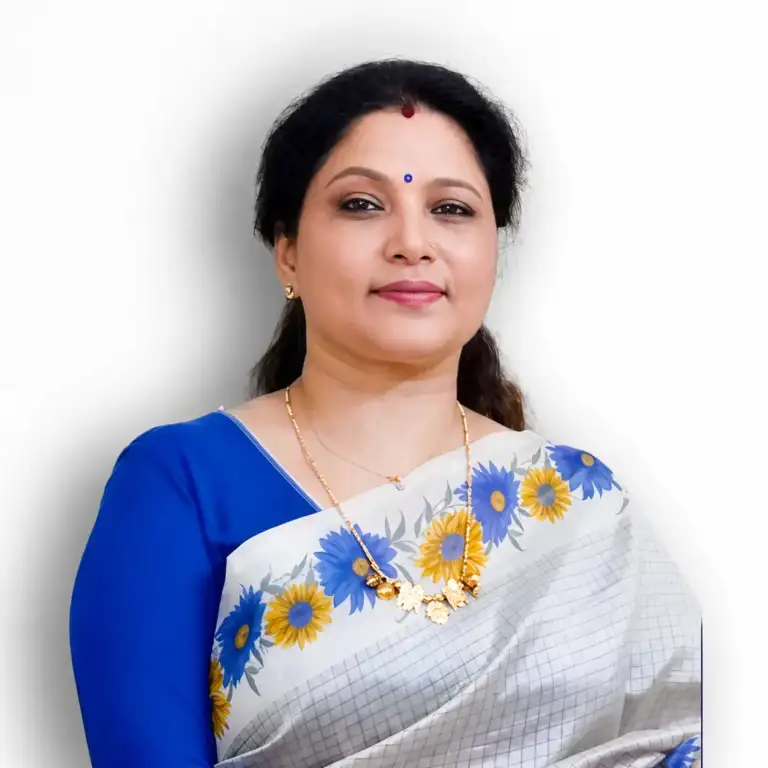
Bharathi Anandan is a progressive counsellor with over 20 years of rich experience in the fields of education and mental health, offering compassionate support to individuals across all age groups—from young children to the elderly. She has worked extensively with students ranging from Kindergarten to Secondary School, and also served as Principal in two reputed schools in different parts of India.
With formal qualifications in Counseling Psychology, Software Technology, and Personality Development, Bharathi is equipped to address a wide range of challenges faced by students, working professionals, homemakers, parents, and the elderly. Her artistic training in Classical Dance (Bharatanatyam) and Classical Music (Carnatic Singing) adds depth to her ability to connect with clients emotionally and expressively.
As the wife of an Air Vice Marshal, she has counselled over 10,000 families, gaining unique insights into the emotional needs of diverse populations. Known for her empathetic nature, patient hearing, optimistic outlook, and warm communication style, she provides a safe and non-judgmental space for healing and growth.
Multilingual fluency in English, Hindi, Tamil, Malayalam, and Kannada, along with conversational ability in Telugu, enables her to establish a personal rapport with clients from different cultural and linguistic backgrounds.
Her previous experience includes working at Moolchand Hospital (Psychiatric Department), New Delhi, and she is currently associated with NCPCR’s Samvedna initiative, offering psychological support during Pariksha Parv and addressing concerns such as exam stress, general anxiety, depression, and substance use.
Currently practicing with Manochikitsa, Bharathi has successfully completed over 4,500 online counselling sessions on the platform.
She has expertise in managing a broad spectrum of psychological concerns through online counselling. These include stress, anxiety, depression, relationship and marital issues, parenting challenges, career confusion, academic pressure, anger management, emotional regulation, low self-esteem, grief and loss, workplace stress, burnout, life transitions, loneliness, sleep issues, substance use, and mental wellness support for children, adolescents, adults, and the elderly. She also offers support for LGBTQIA+ individuals and incorporates mindfulness, relaxation, and coping techniques tailored to each client’s unique needs.
Training + Education
- Diploma In NLP (Neuro-linguistic programming)
- B.Ed. and Diploma in Personality Development
- MA Psychology from Indira Gandhi National Open University
- B Sc from Bharathiyar University, Tamil Nadu
- BFA - Bachelor of Fine Arts (Bharatnatyam) from Bharathidasan University,TN
Experience
- Worked as a Geriatric Counselor in Citraverse Healthcare
- Worked as Counselor in Moolchand hospital under the guidance of Dr Nagpal.
- Working for NCPCR, Samvedna
- Have worked as a counselors in 3 airforce stations
×
Bharathi
Position: Counseling Psychologist
Categories: Guidance and Counselling
Language: English, Hindi, Tamil, Malayalam, Kannada, Telugu
Location: Delhi NCR
Email: support@manochikitsa.com
BOOK APPOINTMENT @₹799/-
Available slots
Bharathi Skills
- Stress Management
- Depression
- Anxiety Disorders
- Relationship Issues
- Parenting Challenges
- Low Self-Esteem
- Anger Management
- Grief and Loss
- Trauma and PTSD
- Eating Disorders
- Sleep Disorders
- Addiction Recovery
- Career and Workplace Stress
- Burnout
- Coping with Chronic Illness
- Phobias
- Social Isolation and Loneliness
- Body Image Issues
- Pre-Marital Counseling
- Post-Marital Conflicts
- LGBTQ+ Concerns
- Child Behavioral Issues
- Emotional Regulation
- Adjustment Disorders
- Communication Problems
- Family Conflicts
- Coping with Divorce or Separation
- Exam Stress and Academic Pressure
- Time Management Issues
- Overthinking and Rumination
- Sexual Wellness and Intimacy Issues
- Stress of Caregiving
- Life Transitions
- Identity Exploration
- Emotional Impact of Infertility
- Midlife Crises
- Financial Stress
- Geriatric
Therapeutic Expertise and Specializations
- Cognitive Behavioral Therapy (CBT)
- Dialectical Behavior Therapy (DBT)
- Mindfulness-Based Cognitive Therapy (MBCT)
- Acceptance and Commitment Therapy (ACT)
- Psychodynamic Therapy
- Solution-Focused Brief Therapy (SFBT)
- Trauma-Focused Therapy
- Interpersonal Therapy (IPT)
- Exposure Therapy
- Rational Emotive Behavior Therapy (REBT)
- Grief Counseling
- Family Systems Therapy
- Couples Therapy
- Play Therapy (for children)
- Stress Management Counseling
- Anger Management Therapy
- Relaxation Therapy
- Hypnotherapy
- Behavioral Therapy
- Positive Psychology Therapy
- Existential Therapy
- Supportive Counseling
- Motivational Interviewing (MI)
- Psychoeducation Therapy
How You Can Book a Session With Me
Clients from India and abroad can book sessions through the platform..
- Choose a date and time from my available slots (as per your time zone)
- Select the session type (video or audio)
- Complete the secure payment (domestic or international)
Instant confirmation, no emails or follow-ups needed.
Interview With Psychologist
https://youtu.be/2gXpIuQ5dWg
Your Emotional Wellness Matters
Explore common questions and answers to understand more about therapy and my approach
1. Is counseling with you a safe space?+
Absolutely. I believe that therapy should feel like a warm hug for your mind. In our sessions, you’ll find a safe, compassionate space where your thoughts and emotions are respected, no matter what they are.
2. Is therapy confidential, and how is my privacy protected?+
Your trust is my highest priority. Everything you share with me stays between us, protected by strict ethical standards. You can speak freely, knowing your privacy is completely safe.
3. As a client new to therapy and counseling, how do you help me?+
Taking the first step toward therapy can be overwhelming, and I truly respect that courage. I make sure to guide you gently, explaining each step, and tailoring the experience so you feel supported every step of the way.
4. What can I expect during the first therapy session?+
The first session is your opportunity to share your story. I’ll listen without judgment, and we’ll explore your challenges and goals together. It’s more of a heart-to-heart than anything formal.
5. How long does each session last?+
Each session lasts 45 minutes—enough time to delve deep into your concerns while keeping the process focused and meaningful.
6. Are sessions conducted online?+
Yes, all sessions are conducted online. This way, you can connect with me from the comfort and privacy of your own space, ensuring you feel at ease during our time together.
7. What issues or concerns do you commonly address in therapy?+
I work with individuals facing anxiety, stress, low self-esteem, parenting challenges, relationship struggles, career dilemmas, and personal growth issues. Whatever your concerns, I’ll walk alongside you as we navigate them together.
8. What therapeutic approaches do you specialize in?+
My approach blends evidence-based techniques like Cognitive Behavioral Therapy (CBT), mindfulness practices, and person-centered therapy. I also incorporate elements of spirituality and holistic well-being to offer a more rounded approach.
9. Do you provide therapy for couples or relationship issues?+
Yes, I help couples strengthen their connection, address conflicts, and rediscover harmony in their relationship. Each session is designed to foster understanding and respect.
10. Do you offer individual, group, or family therapy sessions?+
I offer individual therapy, family therapy, and workshops designed to address collective concerns. Each type of session is tailored to the specific needs of those involved.
11. Do you provide support for LGBTQ+ clients or other specific communities?+
Yes, inclusivity is at the core of my practice. I welcome clients from all backgrounds, ensuring they feel heard, valued, and supported.
12. What are your session fees, and do you offer any packages for multiple sessions?+
For details on session fees and packages, please check the appointment calendar on my profile. Flexible options are available to cater to diverse needs.
13. What is your cancellation or rescheduling policy?+
I understand that life can be unpredictable. If you need to cancel or reschedule, I request at least 6 hours’ notice. You can easily manage your appointments through the confirmation email.
14. Do you offer therapy for clients outside of India or in different time zones?+
Yes, I work with clients across the globe. My flexible scheduling ensures we can find a time that works best for your location and routine.
15. How do I know if therapy is working for me?+
Therapy is a journey, and its progress often appears as subtle but meaningful changes—like feeling more at peace or handling challenges with greater confidence. We’ll regularly discuss your progress to ensure you’re benefiting.
16. What tools or techniques do you use to help clients manage stress, anxiety, or depression?+
I often introduce mindfulness techniques, reflective journaling, and calming exercises tailored to your needs. These tools empower you to manage your emotions effectively and cultivate resilience.
17. Are you judging me?+
Not at all. My role is to create an atmosphere of understanding and acceptance. Therapy is a judgment-free zone where you can truly be yourself without fear.
18. What’s your philosophy or belief about mental health and therapy?+
I believe that mental health is not just the absence of illness but the presence of inner peace and joy. Therapy is a collaborative process that helps you discover your strengths and create a life of balance and meaning.
19. What types of clients do you typically work with?+
I work with individuals, parents, professionals, and families from diverse backgrounds. Each person brings a unique story, and I tailor my approach to honor and support their journey.
20. Do you speak any languages other than English?+
Yes, I am fluent in English, Hindi, Tamil, Malayalam, and Kannada. You can choose the language you’re most comfortable with for our sessions.
|
Submit your review
|
|
|
|
|
167 reviews
She was helpful and supportive.
It was good Thank you
I really loved the session. Even though we are from different age groups, she understood me so well without any judgment. I felt safe and comfortable opening up to her, and I left the session feeling relieved, lighter, and genuinely good. Thank you for creating such a safe space for me. ❤️
She listened everything very patiently and she is very empathetic also.
She is really helping me to take my life and relation forward.. m looking forward to make my life better.. Thankyou
Worth it
I felt really comfortable talking to Bharathi Ma'am. She listened patiently without interrupting, and I genuinely felt heard and understood. It was easy to open up to her because she created such a warm and safe space. I really appreciate her kindness and the way she guided me through the conversation.
Amazing session...Feels calm and warm..Truely gained different perspective to heal.
I am truly grateful to Bharati Ma'am for her patience, empathy, and guidance. She creates a safe and non-judgmental space where it becomes easy to share difficult thoughts and emotions. She listens carefully, understands the concerns, and provides practical insights with genuine compassion... Also she is very humble to be available on chats after session
Our counsellor gave great advises and what kind of thing should we do.To support and help each other in our likes…

Dr. Surabhi Lodha
Dr. Surabhi Lodha
Dr. Surabhi Lodha Profile
Dr. Surabhi Lodha is an accomplished Counseling Psychologist, researcher, and certified meditation instructor with a distinguished academic background. She holds a Ph.D. in Psychology from IIT Bombay and a post-graduate diploma in Guidance and Counseling from NCERT.
Dr. Lodha specializes in individual counseling for adults, addressing a range of psychological concerns, including depression, stress, and anxiety. Her expertise extends to providing tailored support in critical areas such as time management, anger management, motivation, discipline, relationship challenges, and overall well-being.
With extensive experience in psychological guidance and counseling, Dr. Lodha has successfully worked with diverse populations, including working professionals, students, and non-working individuals. Her evidence-based approach empowers clients to enhance their mental health, achieve personal growth, and lead balanced, fulfilling lives.
Training + Education
- Doctor of Philosophy (Ph.D.) in Psychology from IIT Mumbai
- Post Graduate Diploma in Guidance and Counseling From NCERT
- Master of Arts (MA) in Psychology From University College of Social Sciences & Humanities
Experience
- Consultant Counselling Psychologist, Plum Telehealth.
- Psychological Counselor and Consultant (Private Practice)

×
Dr. Surabhi Lodha
Position: Counseling Psychologist
Categories: Counselling & Therapy
Language: English, Hindi
Location: Rajasthan
Email: support@manochikitsa.com
BOOK APPOINTMENT @₹1599/-
Available slots
Dr. Surabhi Lodha Skills
- Stress Management
- Depression
- Anxiety Disorders
- Relationship Issues
- Low Self-Esteem
- Anger Management
- Career and Workplace Stress
- Burnout
- Social Isolation and Loneliness
- Emotional Regulation
- Time Management Issues
- Identity Exploration
Therapeutic Expertise and Specializations
- Cognitive Behavioral Therapy (CBT)
- Mindfulness-Based Cognitive Therapy (MBCT)
- Stress Management Counseling
- Anger Management Therapy
- Relaxation Therapy
- Behavioral Therapy
- Positive Psychology Therapy

How You Can Book a Session With Me
Clients from India and abroad can book sessions through the platform..
- Choose a date and time from my available slots (as per your time zone)
- Select the session type (video or audio)
- Complete the secure payment (domestic or international)
Instant confirmation, no emails or follow-ups needed.
Interview With Psychologist
https://www.youtube.com/watch?v=XHOmBV4js_E
|
Submit your review
|
|
|
|
|
7 reviews
Need to have more sessions in future.
She is very patient and always willing to help! Highly recommended.
Dr. Surabhi Lodha made me realize how my past experiences were shaping the way I attach in relationships. I used to feel constantly anxious about being left. She helped me develop emotional security and healthier boundaries. Her sessions were deep yet practical. Truly grateful for her support.
I started therapy with Surabhi Mam when my anxiety became overwhelming. Her way of gently challenging my perfectionist patterns was eye-opening. She’s kind, thoughtful, and very skilled in helping you build long-term tools.
She was wonderful but I felt like the session was too short to achieve any productive measures. However this is not her fault and more of your system's fault.
After a tough breakup, I had zero confidence and didn’t know how to deal with my emotions. Dr. Surabhi was very kind and non-judgmental. Talking to her felt like a reset. She helped me rebuild my self-worth from scratch.
I was dealing with frequent panic attacks and overwhelming anxiety when I started sessions with Dr. Surabhi Lodha. She helped me understand my triggers and guided me with simple yet effective techniques to calm myself. Her way of explaining things makes you feel empowered rather than broken. I genuinely feel more in control now.

Lisa Shukla
Lisa Shukla
Lisa Shukla Profile
Lisa Varun Shukla is a sensitive, approchable and motivated counsellor with years of extensive experience in performing individual and group counselling. She has excellent listening, observational and communication skills. A Life and Positive Psychology Coach, NLP Practitioner who is passionate about helping others become the best version of themselves. She can take sessions in English, Hindi, Bengali and Gujrati.
She believes in aiding people become the best versions of themselves and actively works towards them achieving it. She enjoys art, music, sketching and reading.
She has worked as a volunteer with the Delhi Government Helpline during lockdown last year. She can take sessions for a variety of issues be it, stress and anxiety, Marriage Counseling, Couple Therapy, relationship/ family issues, academic /study related issues, adjustment issues, coping problems, self-esteem, body image, work related, procrastination, depression, suicidal ideation, etc.
Training + Education
- Trauma Informed Approach to Psychological Interventions from Muktha Foundation
- DBT Skills and Strategies from Psycafe
- Rational Emotive Behavior Therapy From YD academy
- Emotionally Focussed Therapy from Connect and Restore
- M.Sc. Counselling Psychology From Christ University, Bengaluru, India
- B.Sc. (H.Sc.) Human Development Honors From Smt. J.D.Birla College, Kolkata , India
- Positive Psychology Coach and Life Coach (International Coach Federation accredited) from Inspiring Evolution
- Gatekeeper Training Program on Prevention of Suicide from Muktha Foundation
- Certified NLP Practitioner from Christ Consulting Group in collaboration with Mind masters , completed NLP Level 1 & 2
- Mindful Meditation from Christ (Deemed to be University).
- Intensive 60 hours Couples Counselling Course from Muktha Foundation
- Emotional Freedom Techniques foundation course from Muktha Foundation.
- Positive Psychology and Mindfulness, Understanding Grief and Loss and Geriatric Mental Health from Covid Response.
- Covid 19 and Mental Health from American Psychiatric Association.
Experience
- Worked as a Counsellor in Christ Junior College, Bengaluru, India
- Worked as Class Teacher, Co-Curricular activities In-charge
and Trainer for G.E.S.E (Trinity College, London) in T.I.M.E School, Hyderabad - Worked as Coordinator and Class Teacher in La Martiniere for
Boys School, Kolkata

×
Lisa Shukla
Position: Counseling Psychologist
Categories: Guidance and Counselling
Language: English, Hindi, Bengali, Gujrati
Location: Karnataka
Email: support@manochikitsa.com
BOOK APPOINTMENT @₹799/-
Available slots
Lisa Shukla Skills
- Stress Management
- Depression
- Anxiety Disorders
-
OCD (Obsessive-Compulsive Disorder)
-
ADHD (Attention-Deficit/Hyperactivity Disorder)
-
Bipolar Disorder
-
Narcissistic Personality Disorder
-
Antisocial Personality Disorder
- Relationship Issues
- Parenting Challenges
- Low Self-Esteem
- Anger Management
- Grief and Loss
- Trauma and PTSD
- Eating Disorders
- Sleep Disorders
- Career and Workplace Stress
- Burnout
- Coping with Chronic Illness
- Social Isolation and Loneliness
- Body Image Issues
- Pre-Marital Counseling
- Post-Marital Conflicts
- LGBTQ+ Concerns
- Child Behavioral Issues
- Emotional Regulation
- Adjustment Disorders
- Communication Problems
- Family Conflicts
- Coping with Divorce or Separation
- Exam Stress and Academic Pressure
- Time Management Issues
- Overthinking and Rumination
- Sexual Wellness and Intimacy Issues
- Stress of Caregiving
- Life Transitions
- Identity Exploration
- Emotional Impact of Infertility
- Midlife Crises
- Financial Stress
She can address variety of issues ranging from stress and anxiety, Marriage Counseling, Couple Therapy, relationship/ family issues, academic /study related issues, adjustment issues, coping problems, self-esteem, body image, work related, procrastination, depression, suicidal ideation etc.
Therapeutic Expertise and Specializations
- Cognitive Behavioral Therapy (CBT)
- Dialectical Behavior Therapy (DBT)
- Mindfulness-Based Cognitive Therapy (MBCT)
- Acceptance and Commitment Therapy (ACT)
- Psychodynamic Therapy
- Solution-Focused Brief Therapy (SFBT)
- Trauma-Focused Therapy
- Exposure Therapy
- Schema Therapy
- Rational Emotive Behavior Therapy (REBT)
- Grief Counseling
- Family Systems Therapy
- Couples Therapy
- Art Therapy
- Play Therapy (for children)
- Stress Management Counseling
- Anger Management Therapy
- Relaxation Therapy
- Guided Imagery Therapy
- Behavioral Therapy
- Positive Psychology Therapy
- Existential Therapy
- Supportive Counseling
- Motivational Interviewing (MI)
- Psychoeducation Therapy

How You Can Book a Session With Me
Clients from India and abroad can book sessions through the platform..
- Choose a date and time from my available slots (as per your time zone)
- Select the session type (video or audio)
- Complete the secure payment (domestic or international)
Instant confirmation, no emails or follow-ups needed.
Interview With Psychologist
https://youtu.be/Va7gvlkG1-s
Your Emotional Wellness Matters
Explore common questions and answers to understand more about therapy and my approach
1. Is counseling with you a safe space?+
My sessions are designed to provide a supportive, non-judgmental environment where you can explore your thoughts and feelings openly. You’ll always find understanding and care in our work together.
2. Is therapy confidential, and how is my privacy protected?+
Confidentiality is a fundamental part of my practice. Everything you share remains private and is safeguarded in line with ethical and professional standards.
3. As a client new to therapy and counseling, how do you help me?+
Starting therapy can feel overwhelming, and I understand that. I take the time to listen to your concerns, guide you through the process, and provide tools and strategies that help you feel empowered and supported.
4. What can I expect during the first therapy session?+
The first session is a space for us to understand your concerns and define the changes you’d like to see in your life. It’s a collaborative and relaxed conversation aimed at building clarity and trust.
5. How long does each session last?+
Each session lasts 45 minutes, giving us focused time to address your challenges while ensuring meaningful progress.
6. Are sessions conducted online?+
Yes, all sessions are conducted online, allowing you to access therapy from a location that feels most comfortable and safe for you.
7. What issues or concerns do you commonly address in therapy?+
I work with clients on issues like stress, anxiety, relationship concerns, self-esteem, work-life balance, parenting challenges, life transitions, and more. Every session is tailored to your unique needs.
8. What therapeutic approaches do you specialize in?+
I use an integrated approach to suit your specific needs, by blending evidence based therapies like CBT, REBT, DBT, SFBT, Positive Psycholgy, Expressive Art Therapy, Mindfulness, ACT and Trauma Informed Care.
9. Do you provide therapy for couples or relationship issues?+
Yes, I support couples in building stronger connections, improving communication, and working through conflicts in a respectful and compassionate way.
10. Do you offer individual, group, or family therapy sessions?+
I offer individual therapy, group therapy, and family counseling. Group therapy is a powerful way to learn and grow alongside others who may share similar experiences.
11. Do you provide support for LGBTQ+ clients or other specific communities?+
Yes, my practice is inclusive of all identities and communities. I ensure that LGBTQ+ clients and individuals from diverse backgrounds feel welcome and supported in our sessions.
12. What are your session fees, and do you offer any packages for multiple sessions?+
Details about session fees and packages can be found in the appointment calendar on my profile. I encourage you to explore the options available there.
13. What is your cancellation or rescheduling policy?+
I kindly ask for at least 6 hours’ notice for cancellations or rescheduling. You’ll receive a confirmation email that allows you to easily manage your appointments.
14. Do you offer therapy for clients outside of India or in different time zones?+
Yes, I work with clients globally. My flexible scheduling makes it easy to find a time that works best for your location and routine.
15. How do I know if therapy is working for me?+
Therapy progress often shows through small but meaningful changes, such as improved coping skills, greater clarity, or better emotional regulation. We’ll track these changes together to ensure your goals are being met.
16. What tools or techniques do you use to help clients manage stress, anxiety, or depression?+
I use practical tools like mindfulness exercises, thought-challenging strategies, relaxation techniques, and journaling activities, customized to suit your personal needs.
17. Are you judging me?+
Not at all. Therapy is your space to explore and express yourself without fear of judgment. I am here to listen, guide, and support you unconditionally.
18. What’s your philosophy or belief about mental health and therapy?+
I believe mental health is a lifelong journey of growth and learning. Therapy is a partnership that empowers you to navigate challenges and create a fulfilling life.
19. What types of clients do you typically work with?+
I work with individuals, couples, and families, as well as groups, helping them address emotional, interpersonal, and practical challenges.
20. Do you speak any languages other than English?+
Yes, I’m fluent in English, Hindi, Bengali, and Gujarati. You can choose the language you’re most comfortable with for our sessions.
|
Submit your review
|
|
|
|
|
59 reviews
It was a wonderful guidance.would like to go for next session.would like to know fees
Mrs. Lisa is a truly phenomenal counselor so friendly, kind, and flexible with her approach. She makes you feel supported every step of the way. 100% recommended.
She is very good listener, understand my situation and way how to improve my self and this situation. She proper guide me. Thank you very much
My sessions with Lisa have really helped me cope up with stress and any challenging situation I’ve come across in life
She was very attentive, non judgemental and patient in listening to my issues and understanding them. And very clear about the therapy approaches she would use and why, and also gave some tools I can immediately use that would be helpful.
Thank you so much for our session today. I walked in feeling a lot of weight around managing my anger, but your insights and the questions we explored made me feel incredibly understood. I am so satisfied with how you guide our conversations and handle these tough topics. I feel much more equipped and hopeful moving forward.
For a starter, I felt it easy to talk to her which made the session flow naturally. That's all for now but I look forward to more sessions
Very supportive
Lisa Ma’am was very supportive and encouraged me to understand the problem.
From the very first session, she created a safe, non-judgmental space where we both felt heard and respected. Her approach is professional yet very empathetic, making it easy to open up about difficult topics. Highly recommend her services to anyone looking for guidance.
Chatura Nagarjuna
Chatura Nagarjuna
Chatura Nagarjuna Profile
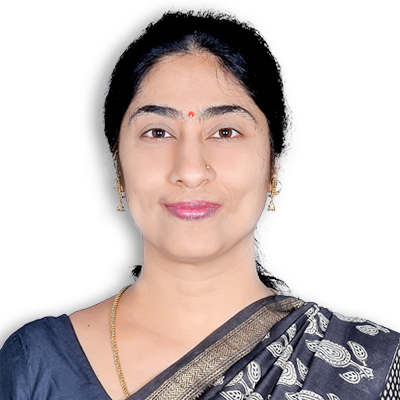
Chatura Nagarjuna is a psychologist who has worked in mental health and addiction field extensively. She is very passionate about what she does and works closely in helping individuals to improve their mental health and in promoting lifestyle changes and inculcate healthier habits in daily life. Having over 20 years of experience in the field of counselling, she has done her Master’s in Psychology and an additional post-graduation in Counselling and Family therapy. She has an excellent ability to make independent judgments for complex cases and provide individual and family counselling services. She employs her skills to identify all the aspects of a person's - psychological, personal, cultural as well as spiritual life. She also has experiences in Suicide Prevention, Emotional Disorders and Drug Abuse Prevention. She has experiences in psychotherapies including Cognitive Behavioral Therapy, Acceptance and Commitment therapy, Motivation Enhancement Therapy, Emotion Focused Couple therapy, Family therapy and Interpersonal psychotherapy.
Training + Education
- M.Sc. (Psychology), 2000, Bangalore University.
- MSc. (Counselling, Family Therapy and Marital Therapy) IGNOU.
- Trained from AIM INSIGHTS. The H.R.D Group Academy for Intense Motivation for Identifying Natural skills, Independent Growth, Human Thoughts and Strategies
- Trained in Substance Abuse And HIV/AIDS by T. T. Ranganathan Clinical Research Foundation, under the collaboration program of the Ministry of Social Justice and Empowerment, Govt. of India and National Aids Control Organization (NACO), Ministry of Health and Family Welfare, Govt. of India.
- Trained in Drug Abuse Prevention, Prevention And Treatment Of Addiction organized by National Institute of Social Defense.
- Trained from UTC in Substance Abuse Disorders and Family therapy, Advanced Training On Enhanced Motivational Interviewing Skills, Cognitive Behavioral Therapy
Experience
- Psychologist in Seva Sangama Hospital (R) (De-addiction center for Alcoholism and Drug abuse)
- Psychologist in Medico Pastoral Association (Psychiatric Rehabilitation Centre )
- Psychologist in Kripa Revival Centre, (De-addiction center for Alcoholism and Drug abuse)
- Consultant Psychologist in Aviva Private Clinic.
- Trainer - Telephone counselling skills for Suicide Prevention and Emotional Disorders - SAHAI Suicide Prevention Helpline
- Trainer – Capacity Building Workshop for Families and Caregivers of Persons with Disabilities (mental health) in association with Action Aid International
- Life Skills Training for students in schools
- Addressed three aired live calls programs on Doordarshan Bangalore Chandana Television Channel on topics – Depression and Suicide
×
Chatura Nagarjuna
Position: Counseling Psychologist
Categories: Counselling & Therapy
Language: English, Hindi, Tamil, Telugu, Kannada
Location: Karnataka
Email: support@manochikitsa.com
BOOK APPOINTMENT @₹799/-
Available slots
Chatura Nagarjuna Skills
- Stress Management
- Depression
- Anxiety Disorders
- OCD (Obsessive-Compulsive Disorder)
- ADHD (Attention-Deficit/Hyperactivity Disorder)
- Bipolar Disorder
- Narcissistic Personality Disorder
- Antisocial Personality Disorder
- Relationship Issues
- Parenting Challenges
- Low Self-Esteem
- Anger Management
- Grief and Loss
- Trauma and PTSD
- Eating Disorders
- Sleep Disorders
- Addiction Recovery
- Career and Workplace Stress
- Burnout
- Coping with Chronic Illness
- Phobias
- Social Isolation and Loneliness
- Body Image Issues
- Pre-Marital Counseling
- Post-Marital Conflicts
- LGBTQ+ Concerns
- Child Behavioral Issues
- Emotional Regulation
- Adjustment Disorders
- Communication Problems
- Family Conflicts
- Coping with Divorce or Separation
- Exam Stress and Academic Pressure
- Time Management Issues
- Overthinking and Rumination
- Sexual Wellness and Intimacy Issues
- Stress of Caregiving, Life Transitions
- Identity Exploration
- Emotional Impact of Infertility
- Midlife Crises
- Financial Stress
Illnesses that she treats are as follows: Anxiety disorders, Depression, Schizophrenia, Bipolar disorder, OCD and Personality disorders, Alcohol and drug addiction disorders. Her method of approach is evidence based one and she believes in a holistic view of mental health care. With her sensitivity towards her client, she is able to understand them in depth and is able to offer eclectic treatment approach.
Therapeutic Expertise and Specializations
- Cognitive Behavioral Therapy (CBT)
- Dialectical Behavior Therapy (DBT)
- Mindfulness-Based Cognitive Therapy (MBCT)
- Acceptance and Commitment Therapy (ACT)
- Psychodynamic Therapy
- Solution-Focused Brief Therapy (SFBT)
- Narrative Therapy
- Trauma-Focused Therapy
- Interpersonal Therapy (IPT)
- Rational Emotive Behavior Therapy (REBT)
- Grief Counseling
- Family Systems Therapy
- Couples Therapy
- Career Counseling
- Stress Management Counseling
- Anger Management Therapy
- Relaxation Therapy
- Behavioral Therapy
- Positive Psychology Therapy
- Existential Therapy
- Supportive Counseling
- Motivational Interviewing (MI)
- Psychoeducation Therapy
How You Can Book a Session With Me
Clients from India and abroad can book sessions through the platform..
- Choose a date and time from my available slots (as per your time zone)
- Select the session type (video or audio)
- Complete the secure payment (domestic or international)
Instant confirmation, no emails or follow-ups needed.
Interview With Psychologist
https://www.youtube.com/watch?v=XHOmBV4js_E
Your Emotional Wellness Matters
Explore common questions and answers to understand more about therapy and my approach
1. Is counseling with you a safe space?+
My sessions are a haven where you can freely express your thoughts and emotions. You will always be met with understanding and support, ensuring you feel secure and respected.
2. Is therapy confidential, and how is my privacy protected?+
I treat confidentiality with the utmost seriousness. What you share stays between us, safeguarded by ethical practices that prioritize your trust and privacy.
3. As a client new to therapy and counseling, how do you help me?+
Taking the first step can feel uncertain, but I’m here to guide you. I’ll help you ease into the process, addressing your concerns and ensuring you feel comfortable as we begin this journey together.
4. What can I expect during the first therapy session?+
In our first session, we’ll have an open conversation about your challenges, goals, and aspirations. It’s a collaborative process where I focus on understanding you and setting a foundation for meaningful progress.
5. How long does each session last?+
Each session is 45 minutes, offering the right balance of time to address your concerns without feeling overwhelming.
6. Are sessions conducted online?+
Yes, I offer online sessions, enabling you to access therapy conveniently from your preferred space, whether that’s at home or somewhere private.
7. What issues or concerns do you commonly address in therapy?+
I assist clients with a range of concerns, from managing stress and anxiety to overcoming self-doubt, handling relationship challenges, and navigating life transitions. Every session is personalized to your needs.
8. What therapeutic approaches do you specialize in?+
My approach is integrative, combining Cognitive Behavioral Therapy (CBT), mindfulness techniques, and person-centered strategies. I adapt these methods to align with your unique situation.
9. Do you provide therapy for couples or relationship issues?+
Yes, I work with couples to help them understand each other better, resolve conflicts, and build stronger emotional connections.
10. Do you offer individual, group, or family therapy sessions?+
I provide individual therapy and family counseling. Family therapy focuses on enhancing communication and resolving collective challenges.
11. Do you work with clients from all backgrounds?+
Absolutely. I welcome clients from diverse cultures, identities, and backgrounds, ensuring every individual feels valued and supported.
12. What are your session fees, and do you offer any packages for multiple sessions?+
Detailed information about fees and packages is available on the appointment calendar on my profile. Flexible options are designed to meet your needs.
13. What is your cancellation or rescheduling policy?+
If you need to cancel or reschedule, I kindly ask for at least 6 hours’ notice. You can easily make changes through the link provided in your confirmation email.
14. Do you offer therapy for clients outside of India or in different time zones?+
Yes, I work with clients worldwide. My scheduling system accommodates time zone differences, ensuring therapy is accessible wherever you are.
15. How do I know if therapy is working for me?+
Progress in therapy often shows up as small victories—feeling calmer, gaining clarity in your thoughts, or finding new ways to handle challenges. We’ll regularly evaluate your growth to ensure therapy is effective.
16. What tools or techniques do you use to help clients manage stress, anxiety, or depression?+
I use mindfulness exercises, breathing techniques, and cognitive restructuring to help you manage overwhelming emotions and regain a sense of balance.
17. Are you judging me?+
My role is to listen and understand, not to judge. Therapy is a space where you can share openly, knowing that you’ll be met with acceptance and care.
18. What’s your philosophy or belief about mental health and therapy?+
I believe therapy is about self-discovery and growth. It’s a process that helps you tap into your strengths and build the resilience needed to navigate life’s challenges.
19. What types of clients do you typically work with?+
I work with individuals, families, and couples facing a variety of challenges. Every client’s journey is unique, and I adapt my approach to meet their specific needs.
20. Do you speak any languages other than English?+
Yes, I am fluent in English, Hindi, Telugu, and Kannada. Sessions can be conducted in the language that makes you feel most comfortable.
|
Submit your review
|
|
|
|
|
21 reviews
Patiently listening and questioning in a right way. still waiting for the closure in upcoming sessions
I’m incredibly grateful for the her support, guidance, and understanding I’ve received from my psychologist. She create a safe and comfortable space where I always feel heard without judgment. Her insights, patience, and compassionate approach have truly helped me grow emotionally and mentally. Every session leaves me feeling stronger, more confident, and better equipped to handle life’s challenges. I highly recommend Chatura mam to anyone looking for a caring and skilled professional who genuinely wants to help people heal and improve their lives.
The entire session was very important for me. It helped change my perspective, and I gained a deeper understanding of myself. I feel more equipped to handle issues better and believe this will help me become a better person.
Excellent
Chatura nagarjuna mam is good listener i am fully satisfied with her consultation thanks mam
Chatura ma'am was kind and calm enough to listen to everything I had to say and she looked keen on transforming me in a better person.
Mam is sooo cooperative and soo good fir listening all the talk by pesence itss too good psychologist doctor thanks mam
Chatura madam is so polite n she listens everything. She gave me proper guidance n valuable advise for my further journey of my case. Thank u very much madam.
It was nice initial sessions to get introduced and share.
For years, I didn’t even realize how much my childhood affected my relationships and self-worth. Therapy with Chatura ma’am made me feel safe enough to explore those wounds. She helped me reconnect with emotions I had long buried.
Ramya S
Ramya S
Ramya S Profile
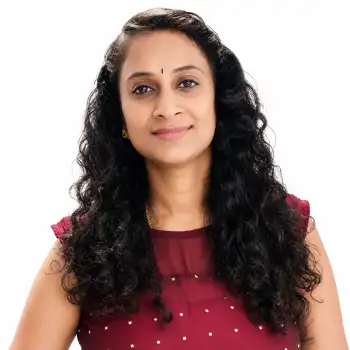
I am a Counseling Psychologist who works with individuals, couples, and families navigating relationship challenges, life transitions, and workplace stress.
My work focuses on helping people build healthier relationships with their partners, families, colleagues, and most importantly, themselves. I support clients in understanding emotional patterns, improving communication, setting boundaries, and developing practical coping strategies for long-term wellbeing.
With a background in both corporate environments and psychotherapy, I bring a grounded understanding of modern relationship dynamics, workplace pressures, and personal growth challenges. My approach is structured, compassionate, and tailored to each individual’s needs.
I integrate evidence-based therapies such as CBT, DBT, REBT, ACT, and Solution-Focused Therapy to create practical and sustainable change.
Training + Education
- M.Sc. in Counseling and Psychotherapy
- MBA in Marketing & Human Resources
- B.Sc. in Psychology
Experience
- Senior People Consultant & Counseling Psychologist – WNS Vuram
- Volunteer Crisis Counselor – Vandrevala Foundation
- Independent External Counselor – Vuram Technology Solutions
×
Ramya S
Position: Counselling Psychologist
Categories: Counselling & Therapy
Language: English, Tamil, Telugu, Kannada
Location: Karnataka
Email: support@manochikitsa.com
BOOK APPOINTMENT @₹1299/-
Available slots
Ramya S Skills
- Stress Management
- Depression
- Anxiety Disorders
- OCD (Obsessive-Compulsive Disorder)
- ADHD (Attention Deficit/Hyperactivity Disorder)
- Bipolar Disorder
- Narcissistic Personality Disorder
- Antisocial Personality Disorder
- Relationship Issues
- Parenting Challenges
- Low Self-Esteem
- Anger Management
- Sleep Disorders
- Career and Workplace Stress
- Burnout
- Phobias
- Social Isolation and Loneliness
- Pre-Marital Counseling
- Post-Marital Conflicts
- Family Conflicts
- Coping with Divorce or Separation
- Time Management Issues
- Life Transitions
- Emotional Impact of Infertility
- Midlife Crises
Therapeutic Approaches: CBT | DBT | ACT | REBT | MBCT | SFBT | Trauma-informed & Person-Centered Therapy
Core Skills:
- Individual & Group Counseling
- Crisis Management & Intervention
- Stress & Grievance Management
- Leadership Coaching & Employee Engagement
- Mindfulness-Based Interventions
Workplace Wellness Expertise: POSH Committee member, grievance redressal, corporate well-being program design
Therapeutic Expertise and Specializations
- Cognitive Behavioral Therapy (CBT)
- Dialectical Behavior Therapy (DBT)
- Mindfulness-Based Cognitive Therapy (MBCT)
- Acceptance and Commitment Therapy (ACT)
- Psychodynamic Therapy
- Solution-Focused Brief Therapy (SFBT)
- Family Systems Therapy
- Couples Therapy
- Art Therapy
- Relaxation Therapy
How You Can Book a Session With Me
Clients from India and abroad can book sessions through the platform..
- Choose a date and time from my available slots (as per your time zone)
- Select the session type (video or audio)
- Complete the secure payment (domestic or international)
Instant confirmation, no emails or follow-ups needed.
Interview With Psychologist
https://youtu.be/k5vCUN7lDlU
|
Submit your review
|
|
|
|
|
17 reviews
Ramya has been very kind to me since the beginning of my sessions with her. She has been non-judgmental and listened to even the silliest of my concern. The tools recommended by her really helped me overcome my anxiety. I would absolutely recommend her.
I love her patience and lack of bias
Ms.Ramya is so amazing .The way she started the session the way she listened to me and the way she comforted me everything was amazing . Her session was so useful and insightful.
My partner & I found Ms. Ramya to be attentive, warm, & unbiased in her approach and this is exactly what we were looking for.
I had several sessions with Mrs. Ramya to discuss my issues of self-criticism and every session has been very helpful for me to take a step back and get a broader perspective on things. I definitely recommend Mrs. Ramya to anyone looking for a professional to help them navigate through their thoughts.
This is my third session with Ramya mam.She is very sweet and non judgemental. I feel much much better after every session
Maam was accurate in understanding my issues and gave me valuable insights., which would only help me in my career
I approached Ramya for support with stress management, depression, and anxiety-related challenges. She provided a caring and supportive environment where I felt comfortable expressing my thoughts and feelings. Her guidance, understanding, and professional approach helped me manage my difficulties in a better way. I truly appreciate her patience and the positive impact her sessions have had on my well being. I would highly recommend Ramya to anyone seeking psychological support.
Best psychologist with great understanding and analysing the problems with detailing and giving most proper advice to the betterment of both
Ramya is good in term of understanding & analysing the things
Dr. Revathi G
Dr. Revathi G
Dr. Revathi G Profile
With an MS in Counseling Psychology from the Assumption University of Thailand, Bangkok, I have been providing counselling to individual clients as an independent practitioner.
I work with clients aged 18 and older on dealing with common life problems in the areas of relationships, work, and personal development. Issues I help with include dating & marriage, breakups & divorce, grief & loss, work & career, self-esteem & confidence, stress & anxiety, procrastination & time management, social anxiety, and obsessive compulsive behaviours, among others.
I follow an Integrated approach to psychotherapy drawing from Person Centered Therapy, Solution Focused Brief Therapy, and Cognitive Behavioural Therapy. Combined with a firm belief in Positive psychology, I help clients recognise their strengths and draw from their own inner resources to cope with their circumstances, and work towards the attainment of their overall well-being.
Also having a prior PhD in Organisational Psychology from the Indian Institute of Technology – Madras, Chennai, I have previously worked for several years at a leading Business School in Chennai, teaching and mentoring emerging adults.
Training + Education
- Ph.D. in Industrial Psychology / Organizational Behavior / Human Resource Management – Department of Management Studies, Indian Institute of Technology Madras (IIT), Chennai
- M.S. in Counseling Psychology – Graduate School of Human Sciences, Assumption University of Thailand, Bangkok
- M.B.A. in Personnel Management – Madurai Kamaraj University, Madurai
Experience
- Independent Counseling Psychologist – Private Practice
- Professor of Practice & Counsellor – Amrita Vishwa Vidyapeetham, Kerala
- Counselor (under supervision) – Webster University Thailand, Bangkok
- Adjunct Faculty – Webster University Thailand
- Professor – HR, Loyola Institute of Business Administration, Chennai
- Dean – Academics, Loyola Institute of Business Administration
×
Dr. Revathi G
Position: Counseling Psychologist
Categories: Counselling & Therapy
Language: English, Tamil
Location: Tamil Nadu
Email: support@manochikitsa.com
BOOK APPOINTMENT @₹1,399/-
Available slots
Dr. Revathi G Skills
- Stress Management
- Depression
- Anxiety Disorders
- Relationship Issues
- Parenting Challenges
- Low Self-Esteem
- Grief and Loss
- Career and Workplace Stress
- Burnout
- Social Isolation and Loneliness
- Pre-Marital Counseling
- Post-Marital Conflicts
- Emotional Regulation
- Communication Problems
- Coping with Divorce or Separation
- Exam Stress and Academic Pressure
- Time Management Issues
- Overthinking and Rumination
- Stress of Caregiving
- Life Transitions
- Identity Exploration
- Midlife Crises
Therapeutic Expertise and Specializations
- Cognitive Behavioral Therapy (CBT)
- Solution-Focused Brief Therapy (SFBT)
- Narrative Therapy
- Grief Counseling
- Stress Management Counseling
- Behavioral Therapy
- Positive Psychology Therapy
- Supportive Counseling
- Motivational Interviewing (MI)
How You Can Book a Session With Me
Clients from India and abroad can book sessions through the platform..
- Choose a date and time from my available slots (as per your time zone)
- Select the session type (video or audio)
- Complete the secure payment (domestic or international)
Instant confirmation, no emails or follow-ups needed.
Interview With Psychologist
https://www.youtube.com/watch?v=XHOmBV4js_E
|
Submit your review
|
|
|
|
|
5 reviews
Had a good session with Revathi
I was made to feel comfortable enough to open up . It was a good session and would like to have further sessions.
I am very grateful to Dr. Revathi for her counselling and support. I really appreciate her way of interacting, as she creates a comfortable and non-judgmental environment where I feel safe to express my thoughts and feelings openly. Her explanations and the practical homework exercises she gives have helped me reflect on myself and understand my thoughts and emotions better.
Every session has been helpful and positive, and I feel that I am gradually learning healthier ways to deal with difficult situations.
I am truly thankful for her patience, guidance, and consistent support throughout my sessions.
I liked the fact that she patiently listened to me and understood my challenges. Liked her suggestions.
Thanks
SHe listens patiently and suggets me way forward
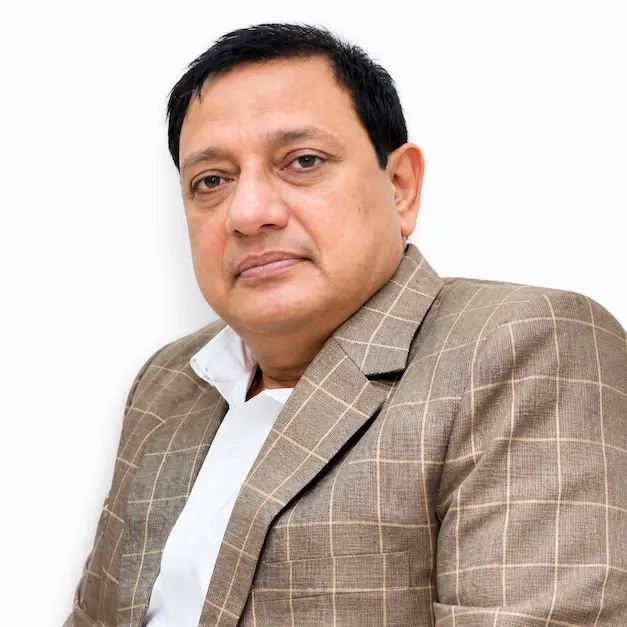
Dr Shishir Basarkar
Dr. Shishir Basarkar
Dr. Shishir Basarkar Profile
I am Ex Indian Army Medical Officer having medical degree and training in General Surgery with additional qualification in Counselling Psychology. having more than 35 years of successful work place counsellong where help was extended to work life balance for staff members. In am putting all endeavors to improve skills for best throughput while providing services to needy clients. having work in large corporate healthcare setups and medical college hospitals for long years where came across people with variety of psychological issues and all converge to me to have best possible choices to make life better.
I am certified Stress Management Consultant from The International Stress Management Association.
I am having additional qualification in sports psychology
I have been practicing Meditation for last more than 30 years and have obtained qualification in YOGA with special interest in Meditation and Pranayam.
My core competence are psychotherapy (C B T, Client Centered Therapy, Psychodynamic Therapy, REBT) and counseling in conditions like depression, anxiety, phobia, relationship issues, marital discord, work stress and work-life balance, lack of self confidence issue, sexual behavior issues, cancer related issues, OCD, emotional trauma, adjustment problem and Marital issues, low professional performance at work place and sports ground, loneliness and unworthiness in elderly people.
Training + Education
- PG Diploma in YOGA , MPSVV, Ujjain, MP, India
- Certificate in Sports Psychology, National School of Leadership, Pune
- Masters in Psychology (Counseling), IGNOU, Delhi, India
- Training in General Surgery for DNB (NBE, New Delhi) India
- MBBS (Devi Ahilya Vishvavidyalaya, Indore MP ) India
Experience
- Currently working as a psychologist in Clinic.
- Providing face to face counseling service to corporate clients under the scheme of corporate employee wellness scheme
- Worked in Tech Mahindra Limited, Kolkata centre as a Psychologist for IT and BPO professionals
- Did the counseling of HIV/AIDS patients and family members.

×
Dr. Shishir Basarkar
Position: Counseling Psychologist
Categories: Guidance and Counselling
Language: English, Hindi, Marathi, Gujarati, Nepali
Location: Indore
Email: support@manochikitsa.com
BOOK APPOINTMENT @₹1299/-
Available slots
Dr Shishir Basarkar Skills
- Child Counseling
- Academic Difficulties & Career Counseling
- Stress Management
- OCD & Phobia
- Motivation & Self Improvement
- Addiction
- Body Image Concerns
- Cultural Adjustment
- Eating Disorders
- Grief & Loss
- Relationship & Marriage Issues
- Anxiety & Emotional Trauma
- Work stress and work-life balance
- Sexual Disorders
- Sleep Disorders
- Social Anxiety
- Time Management
- Family Conflicts
- LGBTQ+

How You Can Book a Session With Me
Clients from India and abroad can book sessions through the platform..
- Choose a date and time from my available slots (as per your time zone)
- Select the session type (video or audio)
- Complete the secure payment (domestic or international)
Instant confirmation, no emails or follow-ups needed.
Interview With Psychologist
https://www.youtube.com/watch?v=XHOmBV4js_E
|
Submit your review
|
|
|
|
|
36 reviews
Dr. Basarkar is a very patient and wise counsellor. His sessions focus not only on problems but also on personal growth. I appreciate his clear explanations and encouraging approach.
Dr. Basarkar’s counselling approach is very supportive and professional. He understands problems without judgment and explains solutions in a simple, relatable way. After a few sessions, I felt more confident and emotionally stable. Truly grateful for his guidance.
Dr Shishir has allowed that I can share all my stress. He is very friendly and gave me confidence that I have a potentiality to deal with all my matters.
Shishir sir listened my problems very calmly and gave me appropriate solution. He also motivated me. He is very polite and humble.
I appreciate Dr. Shishir Basarkar’s patient listening and thoughtful advice. His counselling sessions are structured yet very comfortable. He gently guides you to find solutions within yourself. It has been a very positive and transformative experience.
Dr. Basarkar is a compassionate and knowledgeable counsellor. His sessions helped me understand my thoughts and reactions better. He provides clear strategies to manage stress and relationships. I always leave the session feeling lighter and more hopeful.
I was stuck in a loop of overthinking about my career decisions—constantly doubting every move I made. Dr. Shishir helped me break that pattern and focus on what truly mattered to me. His style is logical, empathetic, and not forceful. I came out of each session feeling a bit lighter and clearer.
When I started therapy with Dr. Shishir, I was feeling completely directionless and low. His approach helped me rediscover a sense of purpose and gave me practical tools to deal with everyday struggles. His calm and grounded nature made it easy to open up.
I was constantly doubting myself, especially when making decisions. Therapy with Dr. Shishir helped me shift from fear-based thinking to a more grounded and confident mindset. His style is practical yet deeply empathetic.
I was struggling with low mood and complete lack of interest in life. Dr. Shishir Basarkar helped me understand that depression isn’t about weakness, it’s something we can work through. His calm, structured approach gave me hope and direction when I needed it most.
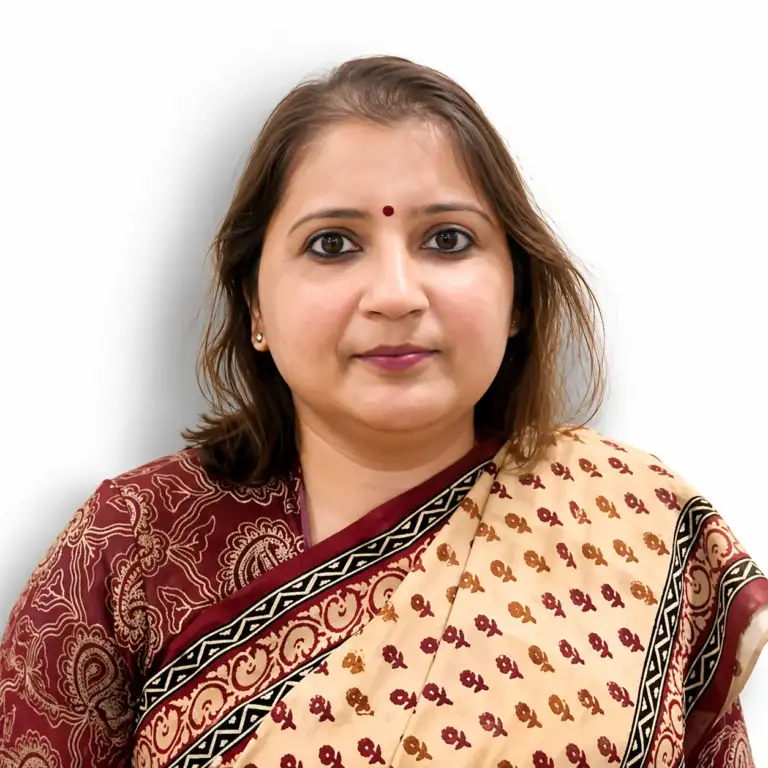
Dr. Gunjan Tiwari
Dr. Gunjan Tiwari
Dr. Gunjan Tiwari Profile
Dr. Gunjan Tiwari is a registered psychologist with the Rehabilitation Council of India with 25 years of experience in Counselling and Psychotherapy, and 12 years of experience as a psychoanalyst. Psychoanalysis, as many of you probably know, is the acclaimed Freudian technique of going deep into the unconscious, to understand the causation of symptoms and hence finding relief from them. This is the most in-depth and long lasting of all therapies. In today’s times it is often modified and practiced as psychodynamically oriented psychotherapy. She is a member of the Indian Psychoanalytic Society and the International Psychoanalytical Association.
Dr. Tewari, has also worked extensively with children, adolescents and the youth. This involves dealing with problems of aggression, depression, stress, anxiety, Marriage, relationship, family, couple therapy, trauma, substance abuse and many other ills that torment the young mind. She is one of the pioneers in Aptitude testing and Career Counselling, giving completely individualized reports as opposed to the computer-generated reports available today. Emotional healing, mending relationships, improving mental health and life coaching for holistic and happy living are her other areas of specialization.
Training + Education
- PhD in Applied Psychology From Calcutta University
- M.Sc. Applied Psychology (Spe.Clinical Psychology) From Calcutta University in 1997
- B.Sc(Hon) Psychology From Gokhale Memorial Girls College in 1995
Experience
- Counsellor, Psychotherapist and Psychometrist ( 1997 onwards)
- Registered Psychologist with the Rehabilitation Council of India – A 18714
- School Counsellor at a leading Girls School in Kolkata.(From 2009)
- Over 15 years of progressive experience in conducting Behavioral workshops to enhance performance for Corporate professionals / Sales Teams / Students as a Freelance Performance Trainer.
- Practicing Psychoanalyst : Member International Psychoanalytical Association & Indian Psychoanalytical Society (2010)
- Resource Person : for Continuing Rehabilitation Education - CRE program of the Rehabilitation Council of India at MANOVIKAS KENDRA (Training and Research Centre for Special Education ) (2008-2013)
- Resource Person :Post Graduate Diploma in Psychological Counseling at Netaji Subhash Open University.
- Conducting Workshops : for Teachers (Behaviour Modification; Identifying Learning Disabilities and Psychological problems in the classroom situation); For Children & Parents (Life Skills; Managing Stress in Children; Communicating with Children; Child Abuse – Good Touch Bad Touch; Leadership Skills; Peer Relations; Discipline)
×
Dr. Gunjan Tiwari
Position: Psychologist
Categories: Guidance and Counselling
Language: English, Hindi, Bengali
Location: West Bengal
Email: support@manochikitsa.com
BOOK APPOINTMENT @₹1299/-
Available slots
Dr. Gunjan Tiwari Skills
- Stress Management
- Depression
- Anxiety Disorders
- Relationship Issues
- Parenting Challenges
- Low Self-Esteem
- Anger Management
- Grief and Loss
- Trauma and PTSD
- Eating Disorders
- Sleep Disorders
- Career and Workplace Stress
- Burnout
- Coping with Chronic Illness
- Phobias
- Social Isolation and Loneliness
- Body Image Issues
- Pre-Marital Counseling
- Post-Marital Conflicts
- LGBTQ+ Concerns
- Child Behavioral Issues
- Emotional Regulation
- Adjustment Disorders
- Communication Problems
- Family Conflicts
- Coping with Divorce or Separation
- Exam Stress and Academic Pressure
- Time Management Issues
- Overthinking and Rumination
- Sexual Wellness and Intimacy Issues
- Stress of Caregiving
- Life Transitions
- Identity Exploration
- Emotional Impact of Infertility
- Midlife Crises
- Financial Stress
Therapeutic Expertise and Specializations
- Cognitive Behavioral Therapy (CBT)
- Dialectical Behavior Therapy (DBT)
- Mindfulness-Based Cognitive Therapy (MBCT)
- Acceptance and Commitment Therapy (ACT)
- Psychodynamic Therapy
- Solution-Focused Brief Therapy (SFBT)
- Narrative Therapy
- Trauma-Focused Therapy
- Interpersonal Therapy (IPT)
- Rational Emotive Behavior Therapy (REBT)
- Grief Counseling
- Family Systems Therapy
- Couples Therapy
- Art Therapy
- Play Therapy (for children)
- Career Counseling
- Stress Management Counseling
- Anger Management Therapy
- Relaxation Therapy
- Guided Imagery Therapy
- Behavioral Therapy
- Positive Psychology Therapy
- Existential Therapy
- Supportive Counseling
- Motivational Interviewing (MI)
- Psychoeducation Therapy
How You Can Book a Session With Me
Clients from India and abroad can book sessions through the platform..
- Choose a date and time from my available slots (as per your time zone)
- Select the session type (video or audio)
- Complete the secure payment (domestic or international)
Instant confirmation, no emails or follow-ups needed.
Interview With Psychologist
https://www.youtube.com/watch?v=XHOmBV4js_E
Your Emotional Wellness Matters
Explore common questions and answers to understand more about therapy and my approach
1. Is counseling with you a safe space?+
Yes, my sessions are a sanctuary for your thoughts and emotions. I ensure a space where you can speak freely without fear or hesitation, knowing you will be met with respect, understanding, and compassion.
2. Is therapy confidential, and how is my privacy protected?+
Your privacy is not just a commitment—it’s a promise. Everything you share with me is treated with absolute confidentiality and safeguarded by professional ethics. Your trust is my responsibility.
3. As a client new to therapy and counseling, how do you help me?+
I understand the vulnerability of starting therapy. I’ll walk you through the process, step by step, in a way that feels natural and approachable. Together, we’ll work at your pace to uncover solutions and healing.
4. What can I expect during the first therapy session?+
The first session is about getting to know you as a person. It’s a conversation where I’ll listen to your story, your challenges, and your hopes for therapy. There’s no pressure—just an opportunity to begin your journey.
5. How long does each session last?+
Each session is 45 minutes long, designed to provide focused and meaningful discussions without overwhelming you.
6. Are sessions conducted online?+
Yes, my sessions are entirely online, offering the flexibility and convenience of accessing therapy from wherever you feel most comfortable—be it your home, office, or any quiet corner.
7. What issues or concerns do you commonly address in therapy?+
I work with a wide range of challenges, including anxiety, stress, life transitions, grief, parenting struggles, self-esteem issues, and relationship dynamics. My role is to help you untangle the knots and find clarity.
8. What therapeutic approaches do you specialize in?+
My approach is integrative, combining Cognitive Behavioral Therapy (CBT), mindfulness practices, emotional regulation techniques, and narrative therapy. I adapt my methods to align with your personal needs and preferences.
9. Do you provide therapy for couples or relationship issues?+
Yes, I help couples navigate the complexities of their relationships—whether it’s rebuilding trust, improving communication, or addressing long-standing conflicts. Every session is tailored to your unique dynamic.
10. Do you offer individual, group, or family therapy sessions?+
I provide individual therapy to help you on your personal journey and family therapy to address shared concerns and strengthen bonds. Group therapy is not currently offered.
11. Do you provide support for LGBTQ+ clients or other specific communities?+
Absolutely. I believe in creating an inclusive space where every individual feels valued and supported, regardless of their background, identity, or experience.
12. What are your session fees, and do you offer any packages for multiple sessions?+
For details on session fees and available packages, please refer to the appointment calendar on my profile. Flexible options are available to meet diverse needs.
13. What is your cancellation or rescheduling policy?+
Life can be unpredictable, and I understand that. I kindly ask for at least 6 hours’ notice for cancellations or rescheduling. You can manage appointments easily through the link provided in your confirmation email.
14. Do you offer therapy for clients outside of India or in different time zones?+
Yes, I work with clients worldwide. Whether you’re in a different time zone or country, we’ll find a schedule that works best for you.
15. How do I know if therapy is working for me?+
Therapy progress often shows up as small yet powerful changes—feeling lighter, managing stress more effectively, or seeing a shift in how you approach challenges. We’ll review your growth regularly to ensure you’re moving forward.
16. What tools or techniques do you use to help clients manage stress, anxiety, or depression?+
I use mindfulness techniques, practical grounding exercises, and thought-challenging strategies to help you regain control over your emotions and improve your overall well-being.
17. Are you judging me?+
Not at all. Therapy is about acceptance and understanding. My role is to create a space where you feel safe to be yourself, without fear of judgment or criticism.
18. What’s your philosophy or belief about mental health and therapy?+
I believe mental health is the cornerstone of a fulfilling life. Therapy isn’t about fixing—it’s about empowering you to navigate life’s complexities and uncover the strength you already possess.
19. What types of clients do you typically work with?+
I work with individuals from diverse walks of life—students, professionals, parents, and anyone seeking clarity and peace of mind. Every person’s journey is unique, and I honor that individuality.
20. Do you speak any languages other than English?+
Yes, I am fluent in English, Hindi, and Bengali. You’re welcome to choose the language you’re most comfortable with during our sessions.
|
Submit your review
|
|
|
|
|
25 reviews
My wife and I were having constant arguments, and I wasn’t sure how to fix things. Dr. Gunjan mam helped me understand my own emotional patterns and how to listen without reacting. It changed how I relate to her.
I always felt like I wasn't good enough and struggled to express emotions. Dr. Gunjan Tiwari helped me understand where that came from and slowly build a healthier self-image. She has a very grounded and warm approach that made me feel safe.
Dr. Gunjan helped me work through my anger and how it was affecting my relationship. Her approach was straightforward but compassionate. I'm much more in control now.
I was feeling very isolated and stopped engaging with people completely. Dr. Gunjan helped me break that cycle by working on my thought patterns and building self-confidence. Her sessions were grounding and practical.
I highly recommend Gunjan for her exceptional support in addressing past trauma, family, childhood and relationship issues. Her compassionate approach and professional guidance have been invaluable in my healing journey.
Gunjan mam’s expertise in trauma therapy provided me with a safe and supportive environment to heal. She guided me through processing past events and gave me the strength to face them. I feel much more in control of my life now.
Dr. Gunjan Tiwari was an incredible help in navigating the challenges of parenting. Her guidance on managing difficult behavior and maintaining patience has made me feel more confident in my ability to raise my children with love and structure.
I was feeling anxious about advancing in my career, and Dr. Gunjan Tiwari provided clarity and guidance that really helped. She helped me identify the sources of my anxiety and gave me tools to manage it. I’m feeling much more confident about my career path now. Highly recommend her for career-related stress.
Dr. Gunjan Tiwari was incredibly helpful when I was feeling overwhelmed as a new parent. She offered strategies to manage stress and find balance, which really helped me enjoy parenting more. Her advice was practical and reassuring. I’d highly recommend her to any new parent feeling stressed.
My daughter was having trouble at school and felt anxious. Dr. Gunjan created a friendly environment where my daughter felt safe to express herself. Through fun activities and games, Dr. Gunjan helped her open up about her feelings and taught her coping skills. I’ve noticed a huge improvement in my daughter’s confidence and mood.

Aastha Dhingra
Aastha Dhingra
Aastha Dhingra Profile
Aastha Dhingra is a distinguished Clinical Psychologist and Assistant Professor at SGT University. With a profound commitment to mental health and well-being, she combines academic excellence with hands-on clinical expertise, making her a transformative figure in the field.
Renowned as a sought-after trainer, Dr. Dhingra has collaborated with industry leaders such as Maruti Suzuki and DLF, delivering specialized workshops on stress management, emotional resilience, and workplace productivity. Her extensive research contributions, media engagements, and telecounseling services have positively impacted countless lives, providing support for anxiety, depression, relationship challenges, and personal growth.
Aastha Dhingra addresses a wide range of psychological and emotional issues, including relationship and marriage counseling, child counseling, stress management, conflict resolution, self-esteem building, and overall emotional well-being. Her empathetic and evidence-based approach helps individuals, couples, and families navigate complex personal and interpersonal challenges, fostering healthier relationships and emotional balance.
Training + Education
- M. Phil. Clinical Psychology (RCI Recognized) From Amity University Rajasthan, Jaipur
- M. A. Psychology From Manav Rachna Educational Institutions
- B. A. (Hons.) Psychology From University of Delhi
Experience
- Former Psychologist on the Panel of Juvenile Justice Board, Gurugram
- Media Psychologist at One Shot Film Productions Pvt. Ltd.
- Trainer for educational and corporate institutions like Pernord Richard, Maruti Suzuki India Pvt Ltd, DLF Ltd., Rotaract Club of Delhi Mavericks , ProTeam Web Services Pvt Ltd., Manav Rachna International School, Dronacharya College, Sharda International School, SOS Children Village etc.
- Certified SOUL COACH, EFT Practitioner,
- Graphologist,
- Career Counselor and Psychometrician.
- Author in Psychology domain with nearly 30+ papers to credit in national and international journals .
- Editor of 2 books
- Member of the Editorial Board of International Journal of Indian Psychology (IJIP), India and PSYCHOLOGS, Mental Health Magazine
- An Anchor / Guest speaker with GNT News , India Today Group, NDTV Prime and Disha TV on psychology, mental health and counselling

×
Aastha Dhingra
Position: Clinical Psychologist
Categories: Guidance and Counselling
Language: English, Hindi, Punjabi
Location: Delhi NCR
Email: support@manochikitsa.com
BOOK APPOINTMENT @₹1399/-
Available slots
Aastha Dhingra Skills
- Stress Management
- Depression
- Anxiety Disorders
- Relationship Issues
- Parenting Challenges
- Low Self-Esteem
- Anger Management
- Grief and Loss
- Trauma and PTSD
- Eating Disorders
- Coaching & Teaching
- Sleep Disorders
- Addiction Recovery
- Career and Workplace Stress
- Burnout
- Coping with Chronic Illness
- Phobias
- Social Isolation and Loneliness
- Body Image Issues
- Pre-Marital Counseling
- Post-Marital Conflicts
- Psychotherapy
- LGBTQ+ Concerns
- Child Behavioral Issues
- Emotional Regulation
- Adjustment Disorders
- Communication Problems
- Family Conflicts
- Coping with Divorce or Separation
- Exam Stress and Academic Pressure
- Personality development
- Time Management Issues
- Overthinking and Rumination
- Sexual Wellness and Intimacy Issues
- Stress of Caregiving
- Life Transitions
- Identity Exploration
- Emotional Impact of Infertility
- Midlife Crises
- Financial Stress
- Geriatric
- Behavioral skills training
Therapeutic Expertise and Specializations
- Cognitive Behavioral Therapy (CBT)
- Dialectical Behavior Therapy (DBT)
- Mindfulness-Based Cognitive Therapy (MBCT)
- Acceptance and Commitment Therapy (ACT)
- Eye Movement Desensitization and Reprocessing (EMDR)
- Psychodynamic Therapy
- Solution-Focused Brief Therapy (SFBT)
- Narrative Therapy
- Trauma-Focused Therapy
- Interpersonal Therapy (IPT)
- Exposure Therapy
- Schema Therapy
- Rational Emotive Behavior Therapy (REBT)
- Grief Counseling
- Family Systems Therapy
- Couples Therapy
- Art Therapy
- Play Therapy (for children)
- Career Counseling
- Stress Management Counseling
- Anger Management Therapy
- Relaxation Therapy
- Hypnotherapy
- Guided Imagery Therapy
- Behavioral Therapy
- Positive Psychology Therapy
- Existential Therapy
- Supportive Counseling
- Motivational Interviewing (MI)
- Psychoeducation Therapy

How You Can Book a Session With Me
Clients from India and abroad can book sessions through the platform..
- Choose a date and time from my available slots (as per your time zone)
- Select the session type (video or audio)
- Complete the secure payment (domestic or international)
Instant confirmation, no emails or follow-ups needed.
Interview With Psychologist
https://youtu.be/PXy2HN0pwhg?si=yK_-DmiU91bI7nN1
Your Emotional Wellness Matters
Explore common questions and answers to understand more about therapy and my approach
1. Is counseling with you a safe space?+
Yes, my counseling sessions are built around trust and understanding. I believe in creating an environment where you can feel completely at ease to share your feelings without fear or hesitation.
2. Is therapy confidential, and how is my privacy protected?+
Confidentiality is a top priority in my practice. All details you share during therapy are securely protected, and I strictly follow ethical guidelines to ensure your privacy is always maintained.
3. As a client new to therapy and counseling, how do you help me?+
Starting therapy can feel unfamiliar, and that’s okay. I take time to explain the process, understand your comfort level, and move at a pace that feels right for you. Together, we’ll build a plan to address your concerns step by step.
4. What can I expect during the first therapy session?+
The first session is a conversation where I get to know you better. We’ll talk about your concerns, your goals for therapy, and any questions you may have. It’s a relaxed discussion to help us align our approach.
5. How long does each session last?+
Sessions are 45 minutes long, giving us focused time to explore and work through your concerns effectively.
6. Are sessions conducted online?+
Yes, I conduct all my sessions online. This allows you to access therapy from the comfort and privacy of your own space, making it convenient and accessible.
7. What issues or concerns do you commonly address in therapy?+
I work with a variety of challenges, including emotional stress, anxiety, depression, relationship dynamics, self-esteem issues, grief, trauma, and parenting concerns. My goal is to help you navigate these challenges with clarity and confidence.
8. What therapeutic approaches do you specialize in?+
My approach is integrative and adaptive to your needs. I use Cognitive Behavioral Therapy (CBT), Acceptance and Commitment Therapy (ACT), mindfulness practices, and person-centered techniques to ensure therapy aligns with your goals.
9. Do you provide therapy for couples or relationship issues?+
Yes, I help couples navigate their challenges, improve communication, and build stronger, healthier relationships. Whether it’s conflicts or reconnecting, therapy is tailored to your relationship goals.
10. Do you offer individual, group, or family therapy sessions?+
I offer individual therapy for adults and adolescents, as well as family therapy to address shared dynamics and concerns.
11. Do you provide support for LGBTQ+ clients or other specific communities?+
Yes, I provide a welcoming and supportive space for LGBTQ+ individuals and clients from diverse communities. Everyone is treated with respect and empathy.
12. How can I check session fees and packages?+
To check session fees and explore available packages, please visit the appointment calendar in my profile. The calendar provides all necessary details.
13. What is your cancellation or rescheduling policy?+
I ask that you provide at least 6 hours’ notice for cancellations or rescheduling. You’ll receive a confirmation email after booking, which allows you to manage your appointments easily.
14. Do you offer therapy for clients outside of India or in different time zones?+
Yes, I work with clients across time zones. You can select a time slot that works best for you through the appointment calendar.
15. How do I know if therapy is working for me?+
Progress in therapy looks different for everyone. It could be feeling lighter, handling challenges more effectively, or achieving specific goals we set together. I’ll help you reflect on these positive changes as they happen.
16. What tools or techniques do you use to help clients manage stress, anxiety, or depression?+
I focus on practical tools such as mindfulness exercises, grounding techniques, and cognitive restructuring to help you regain control over stress, anxiety, or depression.
17. Are you judging me?+
Never. Therapy is a space where you can speak your truth without fear of judgment. My role is to listen, understand, and support you on your journey.
18. What’s your philosophy or belief about mental health and therapy?+
I believe that mental health is an essential part of living a balanced life. Therapy is a partnership where we explore your strengths, understand challenges, and work towards a fulfilling life.
19. What types of clients do you typically work with?+
I work with individuals, families, and couples from all walks of life. My clients range from adolescents seeking guidance to adults navigating personal or professional challenges.
20. Do you speak any languages other than English?+
Yes, I speak both English and Hindi. Sessions can be conducted in the language you’re most comfortable with.
|
Submit your review
|
|
|
|
|
37 reviews
Felt great after my first session, looking forward for more
It was a pleasure talking to ma'am she guided me so well and she has provided some solutions to overcome the challenges I have and I have been doing these for last few days it is very helpful.
The therapist was extremely present throughout the session. Unlike other induction sessions, she made the effort to share useful insights and some effective tips for better coping at the end of the first session itself. I really liked this about her.
Excellent
Her guidance has not only helped me gain a deeper understanding of myself but also given me practical tools I can apply in daily life.
I came to Aastha Dhingra after suffering multiple anxiety episodes due to academic stress. She helped me break the cycle of panic and fear by working on my thought patterns and breathing techniques. Her sessions gave me the confidence to face my exams and also be kinder to myself. She’s empathetic, attentive, and very easy to talk to.
I was close to burnout and felt constantly overwhelmed. Aastha helped me recognize the patterns leading to stress and guided me in setting healthier boundaries. Her approach is calm, structured, and very relatable.
I was under immense academic pressure and felt completely burned out. I didn’t know how to talk to anyone about it without feeling judged. Aastha ma’am created such a safe space during our sessions. She helped me organize my thoughts, manage stress, and slowly rebuild a healthier routine. I loved how she never rushed me, and genuinely understood what I was going through. She’s a blessing for young people like me struggling silently.
After losing my father, I felt emotionally stuck. Aastha mam helped me process the grief at my own pace. Her sessions were simple, comforting, and exactly what I needed during a tough time.
It helps in relieving stress.
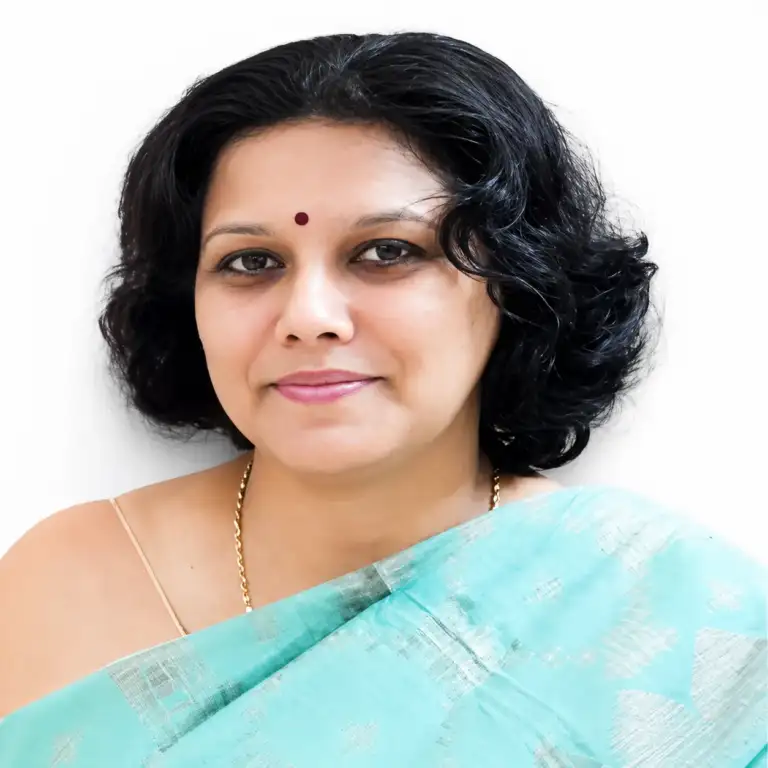
Mahalakshmi Rajagopal
Mahalakshmi Rajagopal
Mahalakshmi Rajagopal
Profile
A Holistic Wellness Professional with over 30+ of experience working in the space of mental health and wellness of children, adolescents and adults using an integrated approach of conventional psychological therapies and traditional complementary healing systems through individual practice , coaching , training and various programmes in schools, colleges and workspace.
She integrate complementary healing systems with conventional psychotherapy and Cognitive Behavior Therapy to empower the client’s mental health to a state of wellness. I have conducted workshops on holistic wellness, mental health, counseling for educational institutions, colleges, for students, young professionals and corporate.
She Won the best paper award for “Marital Adjustment between Working and Nonworking Women” in Indian Association OF Clinical Psychologists. Mahalakshmi authored a book, I am My Own Sunshine based on mental health published in March 2013 ;ISBN 978-93-82792-18-5.
She has expertise in Mental Health, relationship, marriage, couple, career, self improvement and child counseling.
Training + Education
- Masters in Psychology from Madras University
- Masters in Social Work, specialized in Medical and Psychiatry from Madras University.
- Bachelors in Psychology from Madras University
- EFT Practitioner- certified by AAMET , Association for Advancement of Meridian Techniques
- Foundations of Positive Psychology, A five Course Specialisation, University of Pennsylvania .
Experience
- Founder Director Sahayam Intervention Centre(registered).
- Counselor at National Law University ,New Delhi in 2018
- Senior Psychologist, Litchi Knowledge Centre, 2013.
- Project implementation Officer, ICPS Project, Ministry of Women and Child Development, New Delhi, 2011
- Project Associate at National institute of Child Development and Public Cooperation, New Delhi,2010.
- Certified POSH Trainer
- Certified Social Auditor SAN India; SAN UK.
×
Mahalakshmi Rajagopal
Position: Counselling Psychologist
Categories: Guidance and Counselling
Language: English, Hindi, Tamil
Location: Tamil Nadu
Email: support@manochikitsa.com
BOOK APPOINTMENT @₹1199/-
Available slots
Mahalakshmi Rajagopal Skills
- Stress Management
- Depression
- Anxiety Disorders
- Relationship Issues
- Parenting Challenges
- Low Self-Esteem
- Child Behavioral Issues
- Anger Management
- Grief and Loss
- Trauma and PTSD
- Career and Workplace Stress
- Burnout
- Coping with Chronic Illness
- Phobias
- Pre-Marital Counseling
- Post-Marital Conflicts
- LGBTQ+ Concerns
- Emotional Regulation
- Family Conflicts
- Coping with Divorce or Separation
- Exam Stress and Academic Pressure
- Time Management Issues
- Overthinking and Rumination
- Stress of Caregiving
- Midlife Crises
Therapeutic Expertise and Specializations
- Mindfulness-Based Cognitive Therapy (MBCT)
- Psychodynamic Therapy
- Grief Counseling
- Couples Therapy
- Guided Imagery Therapy
- Behavioral Therapy
- Positive Psychology Therapy
- Supportive Counseling
- Psychoeducation Therapy

How You Can Book a Session With Me
Clients from India and abroad can book sessions through the platform..
- Choose a date and time from my available slots (as per your time zone)
- Select the session type (video or audio)
- Complete the secure payment (domestic or international)
Instant confirmation, no emails or follow-ups needed.
Interview With Psychologist
https://youtu.be/WI7TTSc3zVw
Your Emotional Wellness Matters
Explore common questions and answers to understand more about therapy and my approach
1. Is counseling with you a safe space?+
My sessions are centered around creating a safe and accepting environment. Here, you can freely share your thoughts, no matter how big or small, knowing they will be met with understanding and care.
2. Is therapy confidential, and how is my privacy protected?+
Confidentiality is non-negotiable in my practice. Everything you share stays strictly between us, and I follow professional standards to ensure your trust and privacy are safeguarded.
3. As a client new to therapy and counseling, how do you help me?+
I know that starting therapy can feel like a big step. I take the time to understand where you’re coming from, answer your questions, and guide you through the process with patience and empathy.
4. What can I expect during the first therapy session?+
The first session is all about building a connection. We’ll discuss your concerns, your expectations from therapy, and the goals you’d like to achieve. It’s an open and exploratory conversation.
5. How long does each session last?+
Sessions are 45 minutes long, giving us enough time to work on your concerns while ensuring a focused and meaningful interaction.
6. Are sessions conducted online?+
Yes, I conduct all sessions online. This approach makes therapy accessible to you from wherever you feel most comfortable and ensures flexibility for your schedule.
7. What issues or concerns do you commonly address in therapy?+
I help clients navigate a range of challenges, including emotional difficulties, relationship struggles, parenting concerns, career stress, grief, and trauma. Each session is tailored to your unique experiences.
8. What therapeutic approaches do you specialize in?+
My approach is flexible and integrative. I draw from evidence-based techniques like Cognitive Behavioral Therapy (CBT), mindfulness practices, and Solution-Focused Therapy to provide personalized care.
9. Do you provide therapy for couples or relationship issues?+
Yes, I work with couples to improve understanding, address conflicts, and rebuild trust. My focus is on creating healthier dynamics and fostering deeper connections.
10. Do you offer individual, group, or family therapy sessions?+
I offer individual therapy as well as family sessions to help address shared concerns and improve relationships within families. Currently, I do not conduct group therapy sessions.
11. Do you provide support for LGBTQ+ clients or other specific communities?+
Yes, my practice is inclusive and respectful of all identities and communities. I ensure that clients from LGBTQ+ and other marginalized groups feel seen and supported in a safe and welcoming space.
12. What are your session fees, and do you offer any packages for multiple sessions?+
You can check the appointment calendar on my profile for information on session fees and available packages tailored to suit different needs.
13. What is your cancellation or rescheduling policy?+
I request that clients provide at least 6 hours’ notice for cancellations or rescheduling. This helps me accommodate others and ensures fairness for everyone. You can manage changes via the confirmation email.
14. Do you offer therapy for clients outside of India or in different time zones?+
Yes, I work with clients globally, and my flexible scheduling allows us to find a time that works across time zones.
15. How do I know if therapy is working for me?+
Progress in therapy can look like greater self-awareness, better emotional regulation, or even small positive changes in daily life. We’ll regularly discuss your progress to ensure you feel supported and empowered.
16. What tools or techniques do you use to help clients manage stress, anxiety, or depression?+
I use a combination of mindfulness exercises, thought-challenging techniques, and practical coping strategies to help you manage and reduce stress, anxiety, and depressive symptoms.
17. Are you judging me?+
Never. My role is to listen, understand, and guide—not to judge. Therapy is a space for you to feel accepted and valued, exactly as you are.
18. What’s your philosophy or belief about mental health and therapy?+
I believe that therapy is a journey of self-discovery and growth. It’s about equipping yourself with the tools and insights to face life’s challenges and create a meaningful life.
19. What types of clients do you typically work with?+
I work with individuals from diverse backgrounds, including young adults, parents, and professionals. Each client’s story is unique, and I adapt my approach to align with their specific needs.
20. Do you speak any languages other than English?+
Yes, I’m fluent in English, Hindi, and Tamil. You can choose the language you’re most comfortable with for our sessions.
|
Submit your review
|
|
|
|
|
56 reviews
Mahalaxmi is empathetic, supportive, to my issues in a postive way. She keeps me grounded. She has been very helpful in focusing on my strenghts and how to come out of the negative space my life was in.
She taught me techniques that helped to let go of the past and look forward to a better future. I found her to be nurturing and caring. In a firm and gentle way she would steer me away from falling back to old thinking habits. I felt good after my session with her.
It was really helpful. explained the steps to be undertaken to become better individual.
Calm and composed counselling session first time had a good wavelength.
It was very comforting to talk to Mahalaxmi..
She was the 1st to tell me to love myself..
Which I have forgotten being married for 37 years with 2 adult children..I have lost my identity, self worth. I need to find the original Tasneem again and be happy with myself.
It was relieving really. BTW, would you have someone who speaks Kannad
It was a good session
It was a quite relieving experience. I had followed up with an email and she also responded addressing my concerns.
Good starter session
Mahalakshmi is direct, she doesn't dance around topics. She is a great psychologist.
I found the interactions very pleasant and relaxing. Dr. Mahalakshmi gave a pleasant hearing and assessed my problem good enough in the first meeting itself. She had also suggested some ways deal my problems with counselling and audio tapes. Thanks a lot. Hope to have this journey for some more time.
