Introduction
Look, Post-Traumatic Stress Disorder, or PTSD. It’s a mental health thing. This challenge hits people hard, not just those who went through the trauma themselves. Nope, it really affects their families and friends, too. This piece here? It helps you actually get what PTSD is all about. We’ll dig into the emotional, social, and even physical toll it takes. That’s for both the person with PTSD and their support system. And honestly, we’ll give you some real ways to help healing and build back strength.
Understanding PTSD: Symptoms, Causes, and Treatment
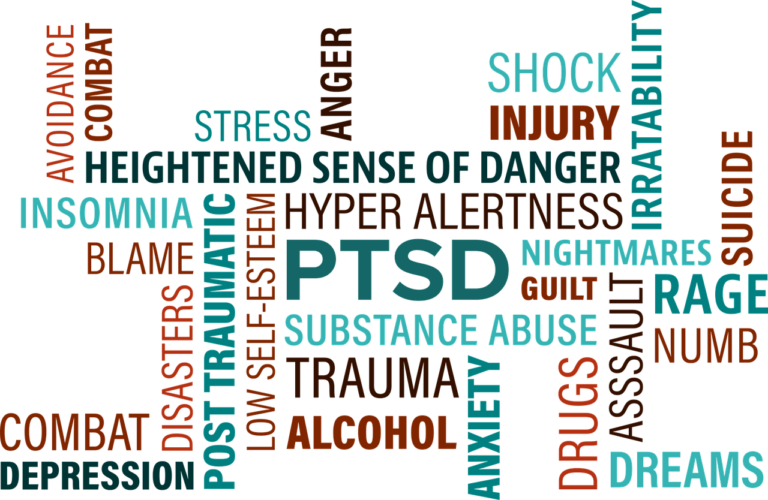
PTSD can look like a ton of different things. You can group these symptoms together. Things like intrusive thoughts, for example. People might actively avoid certain things. There are negative shifts in mood and how you think. And then hyperarousal. Pretty intense. Now, what causes PTSD? That can change a lot, obviously. But some things really bump up the risk: how bad the trauma was, if you’ve had trauma before, not having much social support around you, and even your biology. Good news, though: we do have effective treatments. Psychotherapy, like cognitive-behavioral therapy (CBT) and eye movement desensitization and reprocessing (EMDR), those really work. Medications help. Support groups. And just plain old self-care, too. They all matter a whole lot in getting better.

The Impact of PTSD: Emotional Toll, Social Implications, and Physical Health Challenges
PTSD can really hit people emotionally. There’s so much fear. A lot of anxiety. Guilt, too. And anger. It’s a heavy load. People who’ve been through it sometimes struggle socially. They might pull away from others. Feel isolated. Their relationships with family and friends can get really tense. Plus, this condition brings physical problems. Think sleep issues. Constant tiredness. It can even increase your risk of other health problems. “We need to examine how PTSD impacts emotional, social and physical health. Only then you can really offer true understandings and help them to heal.”
Supporting Loved Ones with PTSD: Creating a Safe Environment, Active Listening, and Encouraging Self-Care
If you’re trying to help someone with PTSD. You just have to make a safe place for them. That’s super important. They will not be judged somewhere. Where they can talk freely. That is important. Listening. Really listening. Empathy. Letting them know their feelings are valid. They are really important for building understanding and trust. And you should learn about what’s out there. Therapy choices, support groups, all that good stuff. This knowledge really helps you point people toward the right kind of help. Don’t forget, encouraging self-care. Helping them find ways to cope. And getting support for yourself, too.
CONCLUSION
CONSEQUENCES OF PSYCHOLOGICAL TRAUMA
Post-Traumatic Stress Disorder, PTSD. It’s a mental health issue. It really hits people directly after they go through trauma. This affects them big time. They try to avoid things. Their mood and thinking shift negatively. You also see hyperarousal. That’s a lot.
What actually causes PTSD? Well, it comes down to things like how bad the trauma was. If someone had trauma before. Not much social support. And biology plays a part, too. But we do have treatments. Psychotherapy, for example. Things such as cognitive behavioral therapy (CBT) and eye movement desensitization and reprocessing (EMDR). It works.
People with PTSD often experience extreme fear. Anxiety. Guilt. And anger. They also run into social problems. Like pulling away from everyone. Feeling really isolated. Plus, they might deal with physical stuff. Sleep troubles. Constant tiredness. They could even get other health issues more easily. Helping these folks. Giving them understanding and empathy. That’s how they start to heal.
Related Articles:
ADHD – Navigating the Complexities from Childhood to Adulthood
PTSD Unveiled – Navigating, Supporting, and Healing Together
Panic Disorders Unveiled – Understanding, Coping, Thriving
Social Phobias – Navigating Anxiety with Empowerment
Generalized Anxiety Disorders – Understanding and Overcoming
