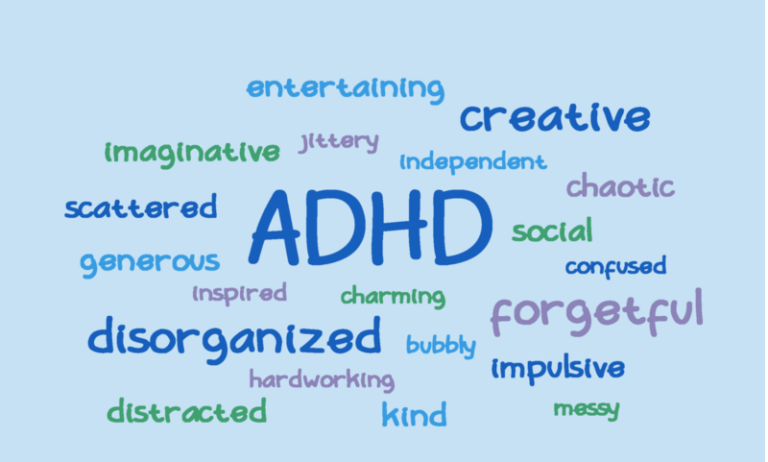
Introduction
ADHD, or Attention Deficit Hyperactivity Disorder, is a brain thing. It sticks with people their whole lives. Seriously. So, maybe it shows up when you’re a kid. Or maybe it pops up when you’re older. Some folks do not even find out until way later. But here is the deal: really getting what makes ADHD tick? That is super important for handling it well and giving good help. What are we talking about here? We’ll look at where it comes from, what it is, how doctors diagnose it and what you can do to fight it. Plus, ways to really help people with ADHD at every age.
Childhood Attention Deficit Hyperactive Disorder
ADHD typically starts in young child It just means they have trouble paying attention, they’re super hyper and pretty impulsive. So, why do some kids get it? Well, it is a mix of things. Genes play a part. Stuff in their environment matters. And brain chemistry can be a bit off. Look, catching it early and then jumping in to help? That actually changes things for kids with ADHD. Big difference. Things like behavioral therapy. Also, learning about it (that’s psychoeducation). And sometimes, honestly, even medicine. All these things can really help kids. They learn to calm themselves. Plus, they do better in school.
Transitioning to Adulthood
I can tell you honestly that ADHD doesn’t just go away when you get older. No. It can hang around, or come up later in life. Transitioning from teen to adult? That brings a whole new set of tough spots for folks with ADHD. Things like managing time, getting organized, setting goals. Those “executive function” skills can be really hard. And that messes with school, jobs, even friendships. So, knowing what adult ADHD really looks like, especially since the hyperactivity might not be as obvious? “That helps doctors to figure it out, to give the right help and to step in when necessary.”
Recognizing Adult Attention Deficit Hyperactive Disorder
Adults with ADHD, often have some serious struggles. It is true. Lots of areas in their lives can be tough. Maybe they are always disorganized. Or they just can not seem to figure out what to do first. Plus, that impulse control thing? That is a real battle sometimes. Getting an adult ADHD diagnosis can be tricky, though. Why? Because the symptoms can look a lot like other mental health issues. But, with a really good check-up, talking to people close to them, and a careful look at how it affects their daily life, doctors can get it right. Knowing about adult ADHD and what it means? That is just key for good treatment and getting the right kind of help.
Managing Adult Attention Deficit Hyperactive Disorder
How do you actually deal with adult ADHD? Usually it is a combination of things, depending on the person. Medicines like stimulants or non-stimulants can be very helpful for symptoms. They can also help with concentration and impulse control. Therapy, as well. Cognitive behavioral therapy or just learning more about ADHD. They offer people great ways to deal with symptoms, develop coping tactics and get better at organizing. Plus, changing up your lifestyle? Exercise, eating good, handling stress. All that stuff really helps how you feel overall. Big difference.
Empowering Individuals with Attention Deficit Hyperactive Disorder
That is what it is all about, their whole lives long. Teaching everyone. The person with ADHD, their family, teachers, even bosses. When they all get what ADHD is, it helps everyone understand. It reduces the funny looks and makes spaces more welcoming for all. Teaching them self-management skills, providing them with the right tools and building up their support systems.
All of this helps people with ADHD do really well. Seeing neurodiversity as a good thing, noticing their strong points, using their special talents. This helps folks with ADHD really reach for their best.
CONCLUSION
ATTENTION DEFICIT HYPERACTIVITY DISORDER: FROM CHILDHOOD TO ADULTHOOD
So, ADHD. It is a brain difference. Doctors usually spot it in kids, but it totally sticks around into adulthood. It really means trouble with focusing, being super active, and acting on impulse.
Why does it happen? Well, genes play a role. So does your environment. And brain chemistry can be a bit off. Getting help early? That is a huge difference for kids with ADHD. Sometimes doctors even prescribe medicine. But remember, ADHD does not just go away. So, moving from being a teen to an adult brings its own tough stuff for these folks.
What about treatment? Usually, it is things like talk therapy, learning about ADHD, and building self-help skills. Adults handling ADHD often means changing your lifestyle. Exercise, eating pattern, learning to deal with stress & other things.
Related Articles:
ADHD – Navigating the Complexities from Childhood to Adulthood
PTSD Unveiled – Navigating, Supporting, and Healing Together
Panic Disorders Unveiled – Understanding, Coping, Thriving
Social Phobias – Navigating Anxiety with Empowerment
Generalized Anxiety Disorders – Understanding and Overcoming
