
Introduction:
Look, social phobias. Or, you know, social anxiety disorder. These can be really tough things. Honestly, they hold people back from truly getting involved in social interactions. It just shrinks your life down. So, in this article, we’re going to check out all the layers of social phobias. We’ll see how they affect folks. And this is a full guide, really, to understanding social anxiety, finding your power, and just beating it.
Understanding Social Phobias
So, social phobias. Basically they mean a very strong fear of social situations . Usually, that fear comes from concerns about being judged, feeling really embarrassed, or even humiliated. Genes play a part. Stuff around you, too. And how your mind works, those things can all lead to social phobias showing up. These anxieties often turn into a loop, right? Fear and then avoiding things. This hits people emotionally, mentally, and socially. But here’s the thing: understanding that social phobias are real mental health issues. That’s the very first step to helping people get it and feel for others.
Empowering Steps towards Overcoming Social Phobias
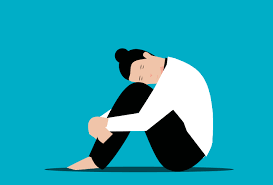
To be honest, it’s a really big part of helping people with social phobias get past their anxieties, finding your power. There are a few important things that you can do to help yourself on the way to beating social phobias.
- Spot bad thought patterns: Look, understanding how much power your thoughts have. And challenging those beliefs that just don’t make sense. That’s super important. So, try to really pay attention to yourself. Then swap out those bad thoughts with good, logical ones. This can totally change how you see things and build up your confidence.
- Get a support network going: So, building a group of friends, family, or even support groups. This gives you a safe spot to speak up and get encouragement. Plus, these networks offer chances for you to slowly try out social situations. And they back up positive social interactions.
- Try exposure therapy: This means you slowly face the social situations you’re afraid of. You do this with a trained therapist guiding you. It helps you get used to the triggers and feel more confident. Exposure therapy does work. It counteracts your fears and shows you those bad things you are expecting probably won’t happen.
- Work on your social skills: Getting better at communication, listening skills, and assertiveness. Honestly, these moves make talking to people way simpler. Look, practice helps. Role-playing, for instance. Or just seeing a therapist. Either way, you get better at social skills. And that cuts down on social anxiety.
- Then there’s relaxation. Deep breathing. Meditation. Things like that. They help you notice what’s going on inside. And they help you handle anxious thoughts and how your body feels. Doing these regularly just brings a calm feeling when you’re in social interactions.
Seeking Professional Help and Conquering Social Phobias
Sure, helping yourself is good. But honestly, if your social phobias are really bad, getting professional help? That’s just super important. Mental health pros can really look at everything. They put together treatment plans just for you. cognitive behaviour therapy (CBT) or acceptance and commitment therapy (ACT). And sometimes medication, if it’s needed. These can really help you get a handle on social phobias. The support you get from these mental health folks, it can make a huge difference in your journey to beating social phobias and getting your life back.
CONCLUSION
SOCIAL PHOBIA: SHYNESS OR FEAR
So, social phobias. They’re one type of anxiety disorder. Basically, it’s this really intense, crippling fear. And a ton of embarrassment when you’re around other people. It can often become a whole loop of fear and then avoiding things. It affects people emotionally, physically and socially. Genes, things in your environment, and how your mind works. All these can play a part in why social phobias show up.
But hey, you can get past this. How? By really getting how powerful your thoughts are. Being more aware of yourself. Building up those support groups. Getting help from a therapist. Getting better at talking to people. Working on your social skills. And, of course, doing mindfulness and relaxation exercises. You got this.
Related Articles:
Generalized Anxiety Disorders – Understanding and Overcoming
Disruptive Mood Dysregulation Disorder (DMDD) – Understanding & Managing
Eating Disorders – Understanding and Overcoming
Autism Spectrum Disorder (ASD) – Nurturing Strengths, Fostering Inclusion
Paranoid Personality Disorder – Understanding, Coping, Dispelling Misconceptions
