Introduction:
Honestly, mental health issues have really popped up more and more. They hit people from all walks of life. We’ve always put physical health first, right? But we need to really see how important mental well-being is and deal with it.” These problems include a range of issues and can affect a person’s thoughts, emotions and behavior. This article is simply a quick summary of what mental health problems really are. We also talk about why it’s so important to build a kind, supportive society, helping people heal and bounce back.
Defining Mental Health Problems:
Look, mental health problems. Look, these are just things that really mess with how someone thinks, feels, or even connects to other people. Big impact. Seriously, they can absolutely ruin a person’s entire life. What’s that mean? Well, it covers everything from handling daily stuff to keeping relationships good and just feeling okay about things. Some can be pretty mild, maybe pass quickly. Others, though, get super serious, sticking around for ages. So, it’s a huge spectrum, really.
Common Types of Mental Health Problems:
- Anxiety Disorders: So much worry, fear, or apprehension. That can really interfere with normal life.” One type is generalized anxiety disorder ( GAD ). Panic disorder , social anxiety disorder , and specific phobias are also included here .
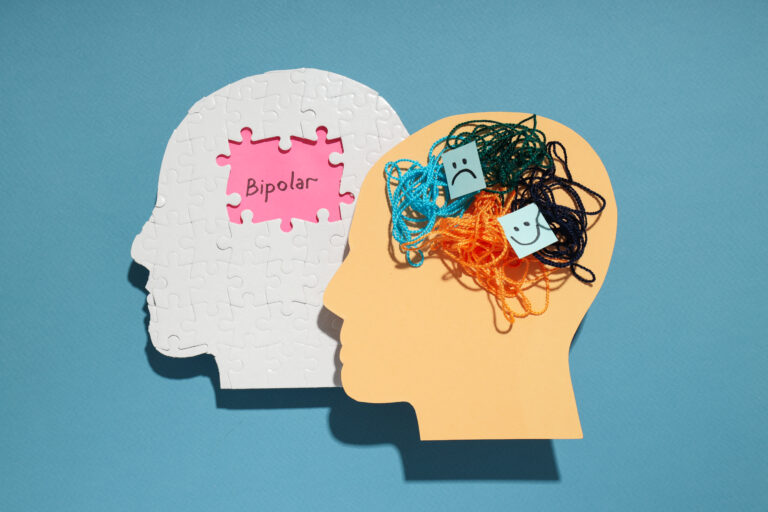
- Mood Disorders: these disorders affect the person’s mood. These can lead to long-term sadness, such as in depression, or to large mood swings, which is bipolar disorder.
- Schizophrenia Psychotic Disorders: Distorted thought. Their sense of reality may be different . Their behavior may be different .
- Eating Disorders: Look, anorexia nervosa, bulimia nervosa, binge eating disorder. All those things. They’re eating disorders. Simple as that. What’s the real common thread here? Basically, people dealing with them often show really unhealthy patterns around food. Plus, they usually have a very distorted view of their own body. That’s the main challenge. “Big problem for many.”
- Substance Abuse Disorders: People can abuse or become addicted to substances such as alcohol, drugs or prescription drugs. This hurts many parts of their life really.

Factors Influencing Mental Health Problems:
Lots of things play a part in mental health problems showing up. Honestly, every condition has its own unique reasons. But some common factors, you know, they pop up a lot. Like biological things. Think brain chemistry imbalances, genetics. Big factors. Then there’s environmental stuff. Bad life experiences, trauma, just constant stress. That’s a huge one. And psychological things also play a part. Personality traits, low self-esteem, always thinking negatively. Makes a difference, right?
The Importance of Support and Treatment:
Dealing with mental health problems really needs a kind, understanding approach. This means from individuals, neighborhoods, and society as a whole. Recognising the signs and symptoms early, and providing early support can make all the difference in someone’s recovery. Treatment may include therapy , such as cognitive-behavioral therapy , medication , lifestyle changes and having good people around you .
Promoting Healing and Resilience:
Empathy and support are super important for really tackling mental health problems. Why does this matter? Because mental health conditions are not something you choose. They are not signs of weakness. Society has to be understanding and compassionate and it must not judge. So if we are more empathetic, if we tell more people about this stuff and if we give the right support we can break down those barriers. We can help reduce stigma. we can create a place where mental health gets the same attention as physical health.
Look, helping people bounce back from mental health stuff. That’s big. Honestly, getting professional help is just smart.Trying whole-person approaches, that can make a difference. Looking after your relationships, doing self-care routines, and changing up your lifestyle. All these things count. Building some toughness, plus getting community support and advocacy.
CONCLUSION
MENTAL HEALTH PROBLEM, IS THIS A PERSONAL OR INTERNATIONAL LEVEL PROBLEM?
Honestly , about 1 in 8 people globally suffer from mental health issues. Research bears this out. These problems, or disorders, they mess with how someone thinks, how well they function, their feelings, their actions, and just their entire sense of well-being. Pretty impactful stuff.
So, what are some of these common types, you ask? Well, you have generalized anxiety disorders (GAD), mood disorders, psychotic disorders, eating disorders, personality disorders, substance abuse, and other connected disorders. They run the gamut, from pretty mild to really severe. It just depends on the specifics, really. Lots of things contribute to these problems. But good prevention, proper treatment, and personal care can totally help people avoid these issues.
Related Articles:
Anxiety Disorders – Nurturing Mental Health and Support
Breaking Barriers – Fostering Mental Well-being in Overcoming Depression
Fostering Mental Wellness – Cultivating a Nurturing Family Environment
Obsessive-Compulsive Personality Disorder – Understanding and Overcoming
Paranoid Personality Disorder – Understanding, Coping, Dispelling Misconceptions
