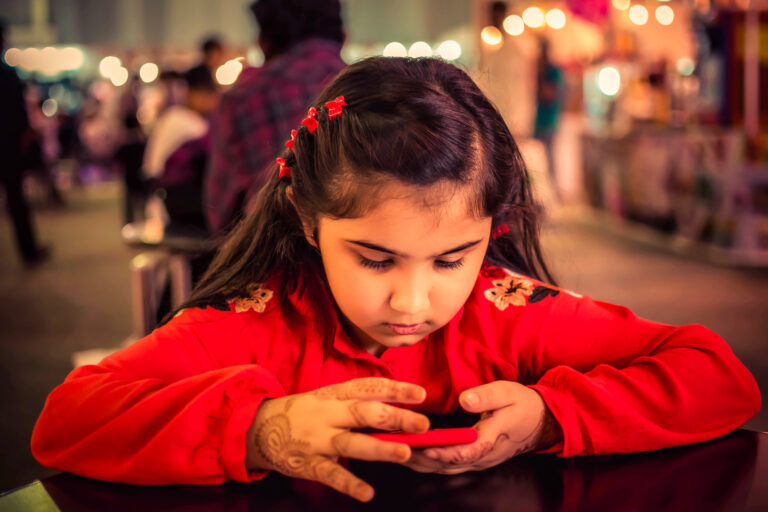
Look, these days, social media. It’s a huge part of a kid’s life. So, it really affects how they talk to people. What about how they see themselves? And how they feel inside? No question, it’s a big deal. Yeah, social media gives them chances to connect. To show off who they are. Plus, they pick up new stuff. But it has its own rough patches. And risks. These things can really hit kids’ mental health. So, we’ll dig into this tricky link. Social media and kids’ mental health. We’ll look at the good. And the bad. And then talk about ways to build good digital habits.
Positive Aspects of Social Media:
“Social media platforms have completely transformed how people talk, share things, and connect. They give kids and teens a lot of good stuff and chances. Sure, we gotta know about the possible risks and tough spots with using social media. But it’s just as important to see the good parts. The ones that help kids grow. And feel good. So, here are some good things about social media for kids:
Social Connection: Honestly, one of the biggest good things about social media? It helps people connect. And build friendships. Social media platforms give kids chances to talk to friends. Classmates. Relatives. No matter how far apart they are. So, kids can keep up with people. Share things. Stay in touch with friends and family. That’s big in our super digital world now. It really is. Also, social media lets kids find people just like them. Folks who like the same stuff. Or hobbies. Or even passions. This helps them
Look, sleep problems caused by social media use. That’s a big deal for kids and teens right now. A real worry. Too much screen time, especially before bed, can really mess with how kids sleep. It also hurts how well they sleep. This causes all sorts of sleep problems. Plus, bad things happen during the day.
The blue light from screens? That can stop melatonin from being made. Melatonin is the hormone that helps you sleep. It regulates your sleep-wake cycles, you know? So, it just makes it tougher for kids to fall asleep. And to get really good, refreshing sleep.
Negative Impacts of Social Media:
While social media offers numerous benefits and opportunities for children, it also presents unique challenges and risks that can impact their mental health and well-being. It’s important to acknowledge the potential negative impacts of social media use and take proactive measures to mitigate these risks. Here are some of the negative impacts of social media on children:
- Comparison and Low Self-Esteem: One of the most significant concerns associated with social media is its potential to foster feelings of inadequacy, comparison, and low self-esteem among children. Social media platforms often showcase curated and idealized versions of others’ lives, leading children to compare themselves unfavorably and feel pressure to live up to unrealistic standards. Constant exposure to images of success, beauty, and happiness on social media can contribute to feelings of insecurity, self-doubt, and dissatisfaction with one’s own life and achievements.
- Cyberbullying and Online Harassment: Cyberbullying and online harassment are prevalent issues on social media platforms, with potentially devastating consequences for children’s mental health and well-being. Children may experience harassment, bullying, or abuse from peers or strangers online, including mean comments, threats, rumors, or the spread of embarrassing or inappropriate content. Cyberbullying can have profound psychological effects, including anxiety, depression, low self-esteem, academic difficulties, and suicidal ideation. The anonymity and lack of accountability afforded by social media can embolden perpetrators and make it challenging for victims to seek help or support.
- Body Image Concerns: Social media’s emphasis on appearance and beauty standards can contribute to body image concerns and disordered eating behaviors among children. Exposure to images of thin, muscular, or edited bodies on social media can distort children’s perceptions of beauty and lead to unrealistic expectations about their own bodies. Children may engage in comparison, self-criticism, and unhealthy dieting or exercise habits in pursuit of an unattainable ideal. Research has shown a correlation between frequent social media use and body dissatisfaction, particularly among adolescents who are more susceptible to social comparison and peer influence.
- Sleep Disruptions: Excessive screen time, particularly before bedtime, can disrupt children’s sleep patterns and quality, leading to sleep disturbances and daytime fatigue. The blue light emitted by screens can interfere with the body’s natural sleep-wake cycle, suppressing the production of melatonin and delaying sleep onset. Children may experience difficulty falling asleep, restless sleep, or waking up frequently during the night due to screen-related sleep disturbances. Poor sleep quality has been linked to a range of mental health issues, including anxiety, depression, irritability, and difficulty concentrating.
- Addiction and Dependence: Social media addiction, characterized by excessive and compulsive use of social media platforms, is a growing concern among children and adolescents. Like other forms of technology addiction, social media addiction can negatively impact children’s mental health and well-being, leading to withdrawal symptoms, decreased productivity, and impaired social functioning. Excessive social media use has been associated with symptoms of depression, anxiety, loneliness, and poor self-regulation, highlighting the need for balance and moderation in children’s screen time.
- Privacy and Security Concerns: Social media platforms may pose privacy and security risks for children, including the unauthorized access, use, or sharing of personal information. Children may inadvertently disclose sensitive information online, such as their full name, address, school, or contact information, putting them at risk of identity theft, cyberstalking, or exploitation. Additionally, children may be exposed to inappropriate or harmful content on social media, including explicit material, violence, hate speech, or misinformation, which can be distressing or traumatizing.
Body Image and Self-Esteem:
Body image and self-esteem are profoundly influenced by social media, particularly among children and adolescents. Exposure to idealized and edited images of beauty on platforms like Instagram and TikTok can distort perceptions of body image, leading to dissatisfaction and low self-esteem. Comparisons with digitally enhanced and curated images can exacerbate feelings of inadequacy and self-doubt, contributing to negative self-perceptions. Adolescents, in particular, may internalize these unrealistic standards, leading to disordered eating behaviors, excessive exercise, or body dysmorphia. Additionally, cyberbullying and negative comments related to appearance on social media can further impact self-esteem and mental well-being. It’s essential for parents, caregivers, and educators to promote positive body image and self-esteem by fostering open communication, providing reassurance, and encouraging a healthy balance between online and offline activities. By promoting self-acceptance and resilience, we can help children navigate the pressures of social media and develop a positive sense of self-worth.
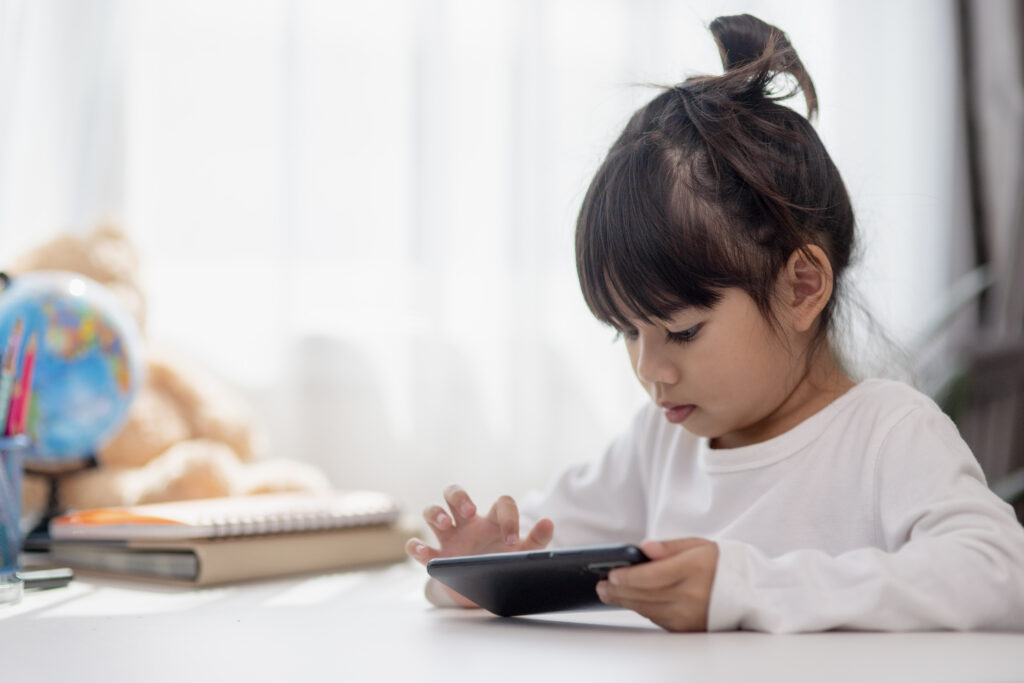
Sleep Disruptions:
Sleep disruptions caused by social media use among children and adolescents are a growing concern in today’s digital age. Excessive screen time, particularly before bedtime, can interfere with children’s sleep patterns and quality, leading to a range of sleep disturbances and daytime consequences. The blue light emitted by screens can suppress the production of melatonin, the hormone responsible for regulating sleep-wake cycles, making it more difficult for children to fall asleep and achieve restorative sleep. As a result, children may experience difficulties such as:
- Difficulty Falling Asleep: Kids might really struggle to fall asleep after using social media. Or other gadgets. Especially right before bed. The bright screens just stimulate their brains. That makes it harder for their minds to calm down. To get ready for sleep. Big difference.
- Restless Sleep: So, even if kids do fall asleep, their sleep might not be great. Screen time before bed? That causes broken or restless sleep. They wake up a lot all night. No question.
- Reduced Sleep Duration: Honestly, too much screen time. That means less sleep time. Kids might stay up way past when they should. Or give up sleep just to keep using social media. This lack of sleep just piles up. It leads to always being short on sleep.
- Delayed Circadian Rhythm: Blue light hitting their eyes from screens? That messes with kids’ natural body clocks. Their internal body clocks get all out of sync. Not matching the day and night anymore. This problem means they take longer to fall asleep. It makes it hard to wake up in the morning, too. All that makes them tired and grumpy all day.
- Daytime Consequences: Look, all these sleep problems from social media use. They cause big problems during the day for kids. Things like being tired, not focusing well, mood swings, and doing worse in school. Always being short on sleep? That’s also tied to all sorts of health problems, both body and mind. Like obesity. Diabetes. Anxiety. And feeling down.
So, to help with sleep problems from social media use, it’s super important for parents, caregivers, and teachers to set up good sleep routines. Also, screen limits. This can mean:
- Set a screen cut-off time: Pick a specific time before bed. Turn off all screens. This allows kids’ brains to relax and get ready for sleep.
- Make bedtime relaxing: Push for calm stuff. Reading, listening to soothing music, or trying out relaxation techniques before bed. This helps them get good sleep.
- Bedrooms should be screen-free zones: Get rid of those gadgets from kids’ bedrooms. Make the room good for sleeping. It cuts down on wanting to use screens late at night.
- Teach kids about screens and sleep: Tell kids what blue light does to sleep. And why good sleep habits matter. This helps them make smart choices about how they use screens.
Putting sleep first, honestly. And cutting down on screen time before bed. Parents and caregivers can lessen the bad effect social media has on kids’ sleep. They can help them feel good all around.
Addiction and Dependence:
Honestly, social media addiction. Where kids just use it too much, can’t stop. That’s a big worry for children and teens. Like other tech addictions, social media addiction can really hurt kids’ mental health. And how they feel overall. It causes things like feeling bad when they can’t use it. Not getting stuff done. And struggling with friends. Too much social media use? That’s linked to feeling down, anxious, alone, and not able to control themselves. It shows why things need to be balanced and not overdone with kids’ screen time.
Strategies for Promoting Healthy Digital Habits:
Even with all those possible problems, there are some ways parents, caregivers, and teachers can use to build good digital habits. They can also cut down on the bad effects of social media on kids’ mental health.
- Set some rules: Have clear ideas and limits around screen time. This includes specific times for using devices. And activities away from screens.
- Push for balance: Get kids to do different things away from screens. Like outdoor play. Hobbies. And hang out with friends and family.
- Be honest: make it a safe place, no judging. Kids can freely talk about their social media experiences and concerns.
teach them to be smart online: Teach children about the dangers of social media. This includes cyberbullying, bad people online, fake news. Help them make smart choices about their online interactions. - Be a good example: Show them what good looks like. Demonstrate good digital habits. Use screens smartly in your own life.
Conclusion
Look, we can’t ignore what social media does to kids’ sleep. Not in a world full of screens. Too much screen time, especially before bed. That can mess with kids’ sleep and how well they sleep. This causes all sorts of sleep problems. Plus, bad things happen during the day. From taking forever to fall asleep, to restless sleep, and not getting enough sleep time, the bad stuff social media does to sleep can mean big problems for kids’ physical and mental health.
So, it’s super important for parents, caregivers, and teachers to see why good sleep routines matter. And digital boundaries. This lessens the effect of social media on kids’ sleep. By using things like setting a screen cut-off, making bedtime relaxing, having screen-free bedrooms, and teaching kids about what screens do to sleep, we can help with better sleep habits. And help kids feel good all around.
Putting sleep first. And cutting down on screen time before bed. Those are really important moves to make sure kids get the good sleep they need to do well. By building a good relationship with tech. And pushing good sleep habits. We can help cut down on the bad stuff social media does to kids’ sleep. We can help them grow physically, emotionally, and mentally.
Related Articles:
Social Phobias – Navigating Anxiety with Empowerment
Online Counseling for Social Anxiety
Online Counseling for Social Anxiety in the Indian Context
Marriage & Social Media: Nurturing Trust in the Digital Era
Healthy Social Media Habits – Boosting Well-being Among Youth
