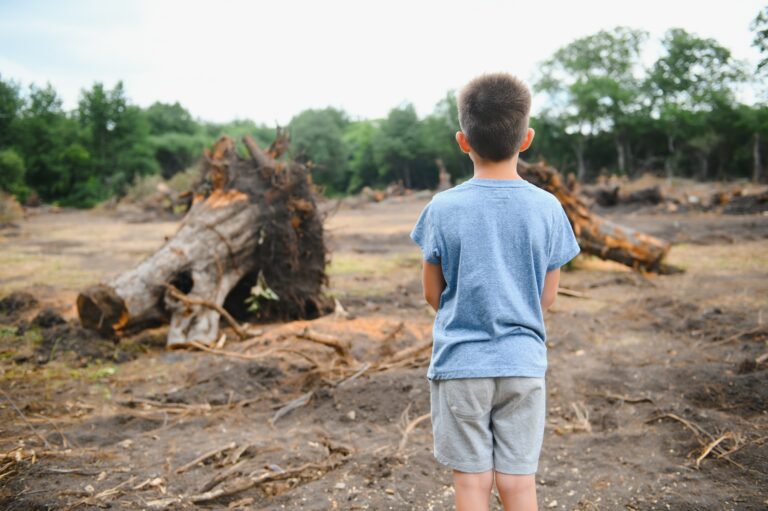
Honestly, eco-anxiety in kids? That’s a real worry these days. People just know more about climate change, pollution, and losing all sorts of plants and animals. Big deal. So, what is eco-anxiety anyway? It’s when you feel scared. Or stressed. Maybe even totally hopeless. All because of how the environment is doing. And what might happen if things keep getting worse. Kids might feel this way after seeing stuff on TV. Or learning about it in school. Even just talking with friends and adults about environmental problems. Dealing with eco-anxiety in children means being kind. It also means taking action. You acknowledge what worries them. Then you help them actually do something good. So, how do you handle eco-anxiety in kids? Here’s a full look.
Acknowledge and Validate Feelings:
Look, seeing and accepting what kids feel about eco-anxiety. That’s the absolute first step. It really helps them deal with their emotions. And build good ways to cope. So, how do you really acknowledge and validate what kids are feeling? Here’s how.
- Make a Safe and Supportive Environment: Create a spot. Somewhere kids feel safe. They should feel good talking about their feelings. No worries about being judged. Or brushed off. Let kids know their feelings are totally fine. It’s okay to feel worried or anxious about the environment.
- Really Listen Actively and Empathetically: Listen closely when children talk about environmental concerns. Give them your full attention. Look them in the eye. Do not interrupt. Show them you get it. Acknowledge what they’re experiencing. And how they feel. Say things like, “I hear you.” Or “That sounds really tough.” Or “I understand why you feel that way.”
- Help Them See It’s Normal: Help kids understand something. Feeling anxious or worried about the environment? That’s a common, natural reaction. Given all the challenges we face. Make it normal for them. Let them know lots of people. Adults too. They share those same worries. And it’s okay to talk about it openly.
- Push Creative Ways to Express Feelings: Give kids creative ways to show how they feel. Art, writing, or journaling. All good. Tell them to draw. Or paint. Write poems. Or keep a journal. They can explore their emotions. And experiences about environmental issues. These creative things really help kids work through their feelings. And express themselves in meaningful ways.
- Validate, But Don’t Over-Reassure: It is good to validate kids’ feelings. Still, do not over-reassure them. Or brush off their worries. Instead of saying, “Don’t worry, everything will be fine.” Acknowledge their feelings. Then offer help and encouragement. Validate their concerns by saying things like, “It’s understandable that you feel worried, but let’s talk about what we can do to make a positive difference.”
- Show Them How to Express Feelings: Show good ways to express and validate feelings. Do this in your own talks with kids. Share your own feelings. What you’ve been through with environmental issues. Do it in a way that fits their age. Show empathy. Understanding. And how you stay strong. By showing good ways to cope, you give kids a good example.
- Keep the Talks Going: Encourage open and ongoing talks about environmental stuff. Tell kids to ask questions. Share their thoughts. And speak freely about their worries. Make chances for good discussions. Like family meetings. Or classroom talks. Maybe community events. Places where kids can talk respectfully and constructively about the environment.
- Remind Them of Their Strengths and Resilience: Point out kids’ strengths. How tough they are. Their coping skills. As they deal with eco-anxiety. Recognize their efforts to learn about environmental issues. To take action. And to make good changes in their lives and communities. Make them feel powerful. Acknowledge how their actions help. No matter how small.
Provide Accurate Information:
Giving accurate facts about environmental issues. That’s just key. It helps kids really get the challenges our planet faces. And it gives them power to do something good. So, how do you give accurate environmental information to kids? Here’s a deep dive.
- Talk Their Language: Adjust the information for a child’s age. Their maturity. What they can grasp about complex ideas. Use words and terms kids can easily understand. Stay away from jargon. Or technical terms that might confuse them. Present facts clearly. In a way that grabs their interest. And keeps their attention.
- Stick to the Main Ideas: Figure out the main ideas and rules about environmental issues. Like climate change. Pollution. Conservation. Losing plant and animal life. Break down big topics. Into smaller, easier-to-understand parts. Focus on the most important facts for kids. Use pictures. Diagrams. Real-life examples. That helps explain the main ideas. And makes it easier to understand.
- Give Them the Whole Picture: Show a balanced view of environmental issues. Acknowledge the tough parts. But also the chances for good change. Do not sensationalize. Or overstate how bad environmental problems are. But be honest. And clear. Tell them why it’s urgent to deal with these things. Help kids understand something. Environmental issues can feel huge. But there are answers. And things they can do to help.
- Show Off Solutions and Success Stories: Present examples. People, communities, and groups working on environmental issues. Making a good difference. Highlight success stories. Clever solutions. Inspiring projects led by communities. These show the power of working together. And new ideas. They give hope for the future. Show kids that good change is possible. And their actions can help with bigger environmental goals.
- Push Them to Think Critically: Encourage kids to really think about the information they see. Ask questions. Challenge what they assume. Look at different views. Build a spirit of curiosity. Of asking questions. And a healthy skepticism. Tell them to find good sources of information. And check if claims are true. Teach them to think critically about environmental facts. Facts they find in media. Online. And in their neighborhoods.
- Teach Them About the Environment: Promote environmental literacy. Teach kids about basic ecological rules. Like how ecosystems are all connected. Why biodiversity matters. And what people do to the environment. Help kids get a full picture of environmental issues. Look at the ecological, social, economic, and ethical sides of things.
Focus on Solutions and Positive Action:
Focusing on solutions. And good actions. That’s a big part of dealing with eco-anxiety in kids. It helps them become people who make good changes in their communities. And in the world. By showing them steps they can take. And pushing them to get involved. Adults can give kids hope. A sense of purpose. And power. It helps them put their worries about environmental issues into actions that mean something. And really help. So, how do you focus on solutions and positive action when dealing with eco-anxiety in children? Here’s a full explanation.
- Point Out Local and Global Efforts: Show examples of local and global projects. Things that are making a good difference for the environment. Highlight success stories. Clever solutions. Community projects. These show how powerful working together can be. They give hope for the future. Show kids that good change is possible. And their actions can help with bigger environmental goals.
- Let Them Take Action: Help kids take action. In their own lives. And where they live. Give them chances to get involved in meaningful ways. Encourage them to pick environmental issues important to them. Then brainstorm creative answers. New projects. Support their ideas. Their passions. What they care about. And give them advice. Plus, help. So they can turn their ideas into action.
- Push for Small Changes: Tell kids to make small changes every day. Changes that can help the environment. Teach them simple eco-friendly habits. Things like reducing, reusing, and recycling. Saving energy and water. Making less trash. And buying products that are good
- Talk Up Green Education and Advocacy: Promote environmental education. And advocacy. These are powerful tools. They create change. They raise awareness about environmental issues. Tell kids to learn more about environmental topics. Through research. Reading. And exploring. Give them chances to speak up for environmental causes they care about. Maybe by writing letters. Going to protests. Or talking in their communities.
- Get Them Doing Stuff with Their Hands: Involve kids in hands-on projects. Activities that let them actively help with environmental conservation. And sustainability. Tell them to plant trees. Clean up beaches. Work in community gardens. Help restore animal habitats. Or do other conservation projects. These hands-on experiences do more than help the environment. They also build a feeling of connection. Of being a caretaker. And of responsibility.
- Look, celebrate what kids do: All their progress in environmental stuff. Doesn’t matter how small. Acknowledge their effort. Their commitment to good change. And celebrate those wins as they happen. See their toughness, their creativity. Their leadership in tackling environmental problems. And push them to keep making things better.
- Give kids heroes: People who show what one person, or a group, can do about environmental issues. Share stories. Think environmental activists. Scientists. Innovators. Folks who really helped out with nature conservation and keeping things going. Show kids they are not alone. Their actions truly make a big difference in the world.
So, help kids feel hopeful. Optimistic. See what is possible. Point out the progress happening with environmental problems. How things can get better later. Encourage them to picture a world. One where people live happily with nature. And they work together. To make the planet stronger. More able to last. Help them believe they can make a change. And inspire them to keep pushing for a better world.
Promote Connection with Nature:
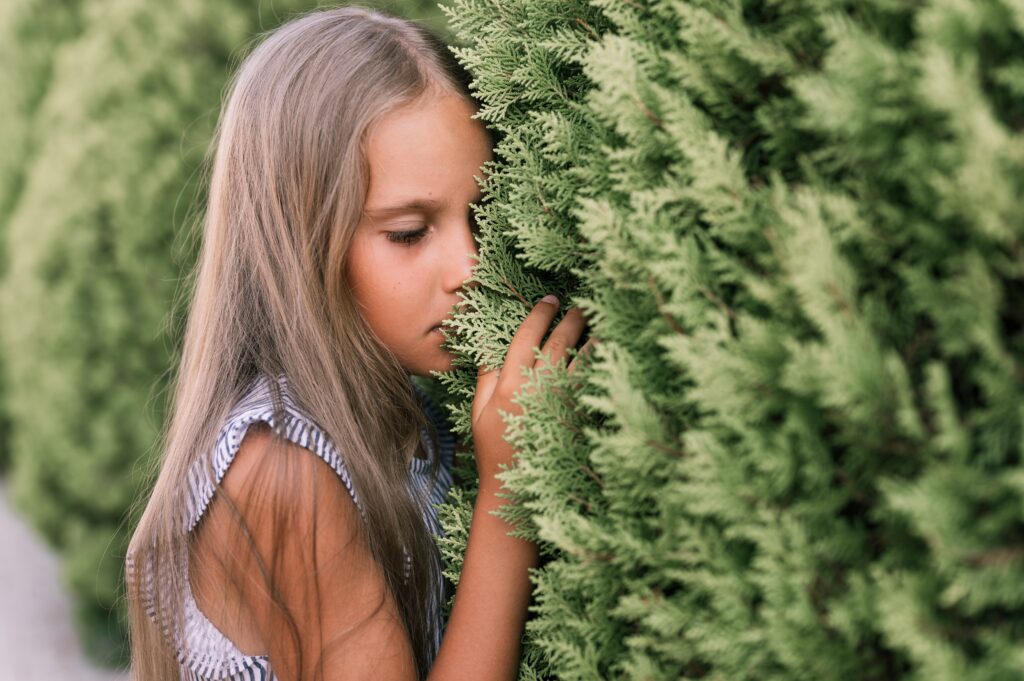
Honestly, helping kids connect with nature. That’s a huge part of dealing with eco-anxiety. And getting them to really appreciate the natural world. Adults can encourage kids to get outside. Do nature stuff. And feel that sense of wonder. That respect for the environment. This helps cut down on worry. On despair. It also builds a lifelong bond with nature. Here is how you help kids connect with nature:
- Get them outside: Let them explore natural spots. Like parks. Forests. Beaches. Gardens, too. Give them chances for free play. Just let them wander in nature. That lets kids really take in all the sights. The sounds. All the feelings of the natural world. Support their curiosity. Their sense of wonder. As they find out how beautiful and diverse our environment is.
- Help with nature activities: Things that get kids’ senses going. Things that build a deeper link with the natural world. Suggest hiking. Camping. Birdwatching. Nature walks. Stargazing. Or even nature scavenger hunts. Give them chances for hands-on stuff. Like planting trees. Tending gardens. Or building homes for wildlife.
- Make art from nature: Encourage children to show their connection to nature. Through art. Through creative stuff. Give them materials for nature-inspired art projects. Think painting. Drawing. Collages. Sculpture, too. Using natural things they find outside. Get kids to make art. Art that shows what they see. What they feel about the natural world.
- Try nature journaling: Help kids keep a nature journal. They can write down what they see. Their thoughts. What they experience in nature. Give them notebooks. Pencils. Art supplies. For recording their feelings. Their discoveries. While they are outside. Nature journaling helps kids learn to observe. To think critically. And to feel connected to the natural world.
- Let them see wildlife: Give kids chances to watch and learn about animals. In their own homes. Visit local nature reserves. Wildlife sanctuaries. Or botanical gardens. There, kids can see animals. Birds. Insects. Other creatures. In their natural spots. Encourage kids to respect. And appreciate all the different kinds of life they meet.
- Build nature spot:. Make nature-friendly places in schools. Neighborhoods. And communities. So kids can connect with nature daily. Plant local trees. Shrubs. Flowers. To bring in pollinators. And give animals a home. Make green spaces. Community gardens. Or outdoor classrooms. Where children can play. Learn. And explore in natural settings.
Limit Exposure to Distressing Media:
Honestly, cutting back on distressing media. That is really important for keeping kids from too much worry. Too much fear about environmental issues. These days, kids just get hit with so many scary news stories. Pictures. Videos. All that can make eco-anxiety much worse. It can overwhelm them. But when adults watch and control what kids see, they make a safe, caring place. Kids can then get a balanced, smart view of environmental issues. Here’s how to cut back on upsetting media:
- Set media rules: Make clear rules and limits for what kids watch. Think TV. Internet. Social media. News sites. Set screen time limits. And pick certain times. Certain places for media use. Like family rooms. Or common areas. Where parents can see what they are watching. And who they are talking to.
- Watch what they watch: Check the content. Is it okay for kids? This includes news programs. Documentaries. Online stuff about environmental issues. Look at media content first. Before kids watch or read it. Pay attention to the topics. The words. The pictures. Things that might be upsetting. Or not right for their age. Or how grown up they are.
- Pick stuff for their age: Choose materials and resources that fit their age. Things that give true info about environmental issues. In a gentle, kid-friendly way. Pick educational shows. Books. Websites. That talk about environmental topics. In a good, hopeful way. For their age. Skip anything that is too dramatic. Or scary.
- Teach them to question media: Encourage kids to really think about the media they consume. Teach them to ask questions. To look closely. To check info for accuracy. For bias. And if it is believable. Teach kids media literacy skills. Like finding good sources. Telling facts from opinions. And seeing tricks used in ads. Or media messages.
- Explain things, give comfort: Give context. And comfort. When talking about environmental issues with kids. Help them get the bigger picture. What is happening now. Without making them scared or worried for no reason. Give explanations that fit their age. Answer questions honestly. And highlight how individuals. And communities. Can help with environmental problems.
- Suggest good media: Encourage kids to watch good, uplifting media. Things that push for environmental care. Conservation. And sustainability. Look for documentaries. Kids’ shows. Online places. That show environmental success stories. Conservation efforts. And ways people are solving environmental problems.
Conclusion
So, dealing with eco-anxiety in kids? That takes a thoughtful, active plan. One that really puts their emotional well-being first. It also gets them ready to do good things for the environment. Adults can help kids navigate their worries about environmental issues. In a healthy, useful way. How? By seeing and accepting their feelings. Giving good info. Focusing on solutions and action. Helping them connect with nature. And limiting upsetting media.
It’s just super important to create a supportive place. Where kids feel safe. Safe to show how they feel. To ask questions. And to have real talks about environmental issues. When adults help build hope. And strength. And give kids power. They can inspire them to become champions for environmental care. And for keeping things going. Now. And later.
Ultimately, we can help kids make a good difference in the world. How? By growing their connection with nature. By helping their curiosity. Their creativity. And teaching them to be responsible. To care for the environment. When we deal with eco-anxiety with kindness. With understanding. And with action. We can help kids learn the skills. The knowledge. And the right mindset. They need to do well in a changing world. All while helping build a planet that is stronger. More able to last. For everyone.
Related Articles:
The Rise of Perfectionism in Children: Helping Kids Cope with Unrealistic Standards
Cultural Sensitivity in Child Counseling: Understanding and Respecting Diversity
Counseling in Schools: The Role of School Counselors in Supporting Children’s Mental Health
Mindfulness for Kids: Techniques to Improve Focus and Reduce Anxiety
