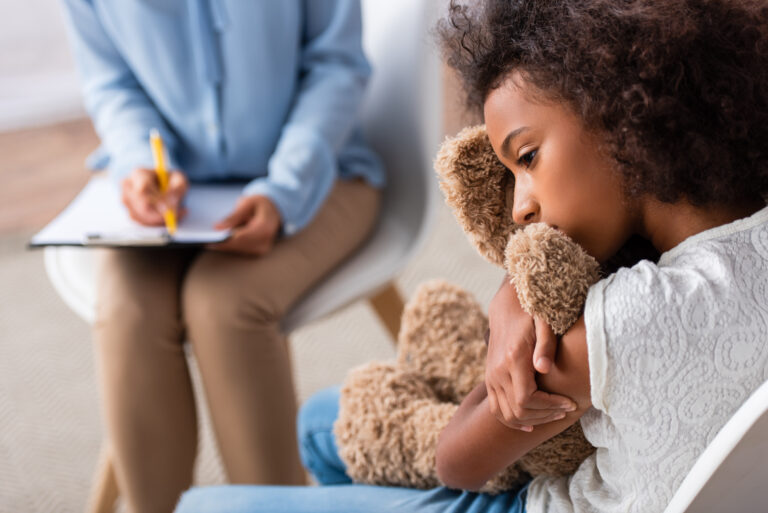
Look, trauma-informed care for kids. That’s a really important way to help. It sees how bad stuff messes with children’s minds, feelings, and bodies. So, childhood trauma. It comes from all sorts of places, you know? Things like abuse, neglect, violence at home, natural disasters. Accidents. Or even losing someone they love. But using this trauma-aware way? People who care for kids, teachers, health workers. They can build safe, helpful places. Places where kids can get better, get strong, and recover from what they went through. Here’s a closer look at trauma-informed care for children.
Understanding Childhood Trauma:
Understanding childhood trauma. That’s super important for really helping kids. Especially those who’ve gone through bad stuff. You see, childhood trauma. It means any single thing, or lots of things, that just crush a kid with stress. Or hurt them, physically or emotionally. Honestly, these experiences stick with a kid. They mess with how they grow. How they act. And how their mind works. So, let’s take an even closer look at what childhood trauma really means.
Types of Childhood Trauma:
- Physical Abuse: Someone purposely hurts a child. It might be a parent or someone in charge. Think hitting, punching, kicking. Burning. Or shaking a child, for example.
- Sexual Abuse: Any sexual contact or using a child sexually falls here. Molestation. Rape. Sexual assault. Even exploiting them with pornography. All that.
- Emotional Abuse: Look, this is verbal or psychological abuse. It just tears down a child’s self-esteem. Their worth. Or how they feel inside. Belittling. Ridiculing. Threatening. Gaslighting a kid. Those are some examples.
- Neglect: Caregivers fail to give a child basic necessities. Food. Shelter. Clothes. Medical care. Supervision. Or even emotional support. Chronic neglect. Abandonment. Or a complete lack of emotional nurturing. These are some ways this shows up.
- Domestic Violence: This is when a child sees or goes through violence between parents or family members. Things like physical assault. Verbal threats. Or emotional manipulation at home.
- Community Violence: Kids get exposed to violence or bad events in their neighborhood. Shootings. Gang violence. Natural disasters. Seeing violence in their area. At school. Or other community places. That’s part of it.
- Loss or Separation: Someone they love dies. Parents divorce. Or they get separated from a main caregiver. So, grief and loss. That comes with a family member’s death. Divorce. Or going into foster care.
Impact of Childhood Trauma:
- Physical Health Effects: Honestly, bad childhood stuff, or ACEs, can make people more likely to have physical health problems later. Chronic illnesses, for one. Autoimmune disorders. Heart issues, too. What happens? Trauma can mess up how the body handles stress. So, more inflammation. Problems with the immune system. And a higher chance of getting sick.
- Emotional and Psychological Effects: Look, childhood trauma really hits a kid’s feelings. Their mind, too. It brings on anxiety. Depression. PTSD. Other mental health problems. No question. This trauma can mess with how a kid sees themselves. How safe they feel. If they can trust anyone. So, making and keeping friends? That gets really tough.
- Behavioral Effects: Kids who’ve gone through trauma might act out in all sorts of ways. Aggression. Defiance. Impulsivity. Hurting themselves. Substance abuse. Risky stuff. Trauma can make it hard for a kid to control their feelings. Handle stress. Or act in healthy ways. This makes school, social life, and family tough.
- Cognitive Effects: Childhood trauma can hurt how a kid thinks. Their attention. Their memory. That messes with learning. Concentrating. Doing well in school. Trauma can disrupt brain development. Especially in parts that handle planning. Managing feelings. And making choices.
- Interpersonal Effects: Trauma can make it hard for a child to form strong bonds. To talk well. To set healthy boundaries in relationships. Kids who’ve had trauma often struggle with getting close. Trusting people. Being open. All this makes it hard to build and keep connections with others.
Trauma Response and Coping Mechanisms:
- Fight, Flight, or Freeze Response: Kids might react to trauma with that “fight, flight, or freeze” thing. It’s instinct. They fight back. Or run away. Or just can’t move or do anything. These are just survival moves. They help keep the kid safe when things get scary.
- Dissociation: Sometimes, kids might “dissociate.” That means they mentally check out from bad experiences. It helps them deal with huge stress or pain. They might feel numb. Disconnected. Like their thoughts, feelings, or body sensations aren’t even theirs.
- Avoidance Behaviors: Look, kids will just avoid things. Things that remind them of something really bad that happened. Like staying clear of places, people, or activities. Things connected to that tough event. Yeah, this might feel good for a little while. A brief break, you know? But that avoidance? It really holds them back. It stops the child from actually working through the trauma. From healing. No question.
- Hyperarousal and Hypervigilance: Some kids get hyperarousal. Or hypervigilance. What’s that mean? They’re super sensitive to possible danger. More anxious. And they just can’t relax or sleep. Honestly, these are common signs of PTSD. They can make it really hard for a child to feel safe. Or secure where they are.
Principles of Trauma-Informed Care:
Look, these principles of trauma-informed care. They give us a way to build places where people can get better, feel safe, and get their power back. People who’ve been through trauma. No question. These principles show people who care for others, teachers, health workers, and anyone else, how to really help trauma survivors. With kindness. And in a way that works. So, let’s take a closer look at these main ideas behind trauma-informed care.
- Safety: Safety. That’s the first and most important idea in trauma-informed care. It means making physical, emotional, and mental spaces. Places where people feel secure. Protected. And safe from harm. Safety covers physical stuff. Like making sure people are safe from threats or danger. But also emotional safety. You know, building trust. Respect. A place where nobody judges them. So they feel good about talking. And sharing.
- Trustworthiness: Honestly, trustworthiness. That’s about building reliable relationships with trauma survivors. You base them on honesty. Transparency. And being consistent. Trustworthiness means people who care for others. And service providers. They show integrity. Authenticity. And accountability in how they deal with survivors. Building trust is absolutely key for making people feel safe. And empowered. Plus, it helps everyone work together in the healing process.
- Empowerment: Empowerment means we honor what trauma survivors want. Their control. Their voice. We let them make smart choices. They get to be active in their own care and recovery. This idea really stresses respecting what people want. Their boundaries. And giving them chances to feel in control. To decide for themselves. By empowering trauma survivors, people who help can give them back their control. Their dignity. And their belief in themselves.
- Collaboration: Collaboration highlights why working together is so important. With trauma survivors. Their families. And communities. To get what they need. What they want. And what their goals are. This means building partnerships. Support networks. Among caregivers. Service providers. And community resources. That makes sure care is coordinated. And complete. Fostering collaboration and communication. That helps care stay steady. It stops things from breaking apart. And it just makes interventions work better.
- Cultural Sensitivity: Cultural sensitivity means seeing and respecting all the different cultures. Ethnic backgrounds. And unique differences in trauma survivors. Then, you match the care to their specific needs. Their values. And their beliefs. This calls for caregivers and service providers. They need to know their own biases. Their assumptions. And approach survivors with humility. Curiosity. And an open mind. By bringing in cultural perspectives and practices. Trauma-informed providers can make help more relevant. Easier to get. And more effective.
- Resilience: Look, resilience. What is it? It really shows off the good stuff. All those resources people have. And that ability to just adapt. Trauma survivors and their communities? They’ve got it. Especially after hard times. When they are getting through them. So, care that focuses on resilience. It totally gets this. Trauma survivors have their own natural strengths. Things that make them tough. Those things really help them get better. And grow. When you use an approach that looks at strengths. Trauma-informed care really pushes activities that build up that toughness. Ways to cope. And learning new skills. That helps survivors do okay. Even when life is really rough. No question.
So, these ideas about trauma-informed care. They truly show people who care, teachers, health workers, and others. How to build places that help with healing. Power. And strength for trauma survivors. No question. By living out these principles in how they work and deal with people. Professionals can make trauma survivors feel safe. Respected. And backed up as they try to heal. That matters. So, with kind, trauma-aware care. People can get back their control. Their self-respect. Their hope. And they can move towards a better, stronger future.
Recognizing Signs of Childhood Trauma:
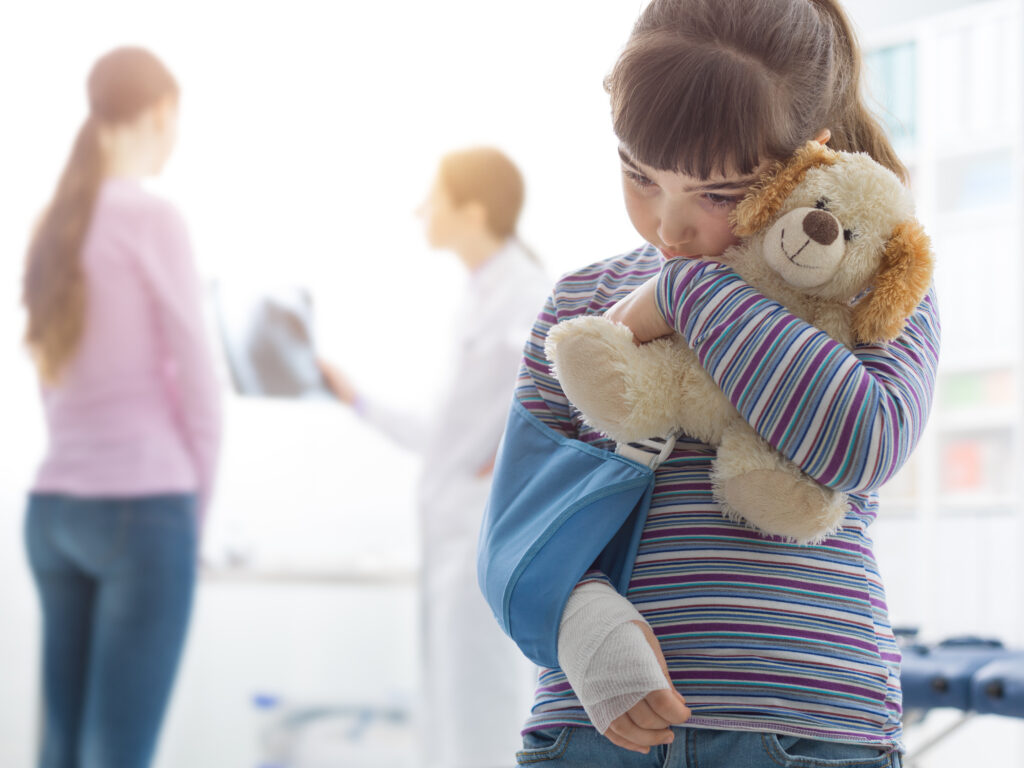
Honestly, spotting signs of childhood trauma. That’s just so important for finding it early. And for stepping in fast. It helps parents, teachers, and health workers give the right help and tools to kids who need it. So, childhood trauma? It can look all sorts of ways. It messes with a child’s actions, how they feel, their relationships, and just how they’re doing overall. Let’s take a closer look at how to tell if a child has experienced trauma.
Behavioral Signs:
- Aggression or Acting Out: Look, kids who have been through trauma. They might get aggressive. Hitting, biting, yelling, for instance. That’s often their way to handle feelings of fear. Or anger. Maybe powerlessness, too.
- Withdrawal or Isolation: Other kids, after trauma, might just pull away from everyone. They might isolate themselves. Preferring to be alone instead of hanging out with friends or family. Big difference.
- Regression: Trauma can make kids go backwards in their behavior. It leads them to act younger. Like bedwetting. Or thumb sucking. Sometimes they cling to parents more.
- Hyperactivity or Impulsivity: Some traumatized children, on the other hand, might be super active. Or impulsive. Always restless. Fidgeting. Finding it hard to sit still. This often shows how stressed they are.
- Avoidance: Kids who have experienced trauma often avoid things. Places. People, too. Anything that reminds them of the bad event. They just want to steer clear of anything that brings back tough memories. Makes sense, right?
- Self-Harm or Risky Behavior: Sometimes, kids dealing with trauma might hurt themselves. Cutting, for example. Or using substances. Or just doing reckless things. This can be a way to cope with really strong feelings. Or to numb the pain.
Emotional Signs:
- Anxiety or Fearfulness: From what I’ve seen, trauma really hits kids hard. It often brings on this constant feeling of anxiety. That’s a huge deal. They just feel on high alert. Or like they’re always scared. So, how can they feel safe and secure where they are? It’s tough.
- Depression or Hopelessness: I’ve noticed that when kids go through trauma. We often see signs of depression popping up. It’s a sad reality. What else would you expect? Sadness. Crying a lot. Feeling down. Or just plain hopeless about what’s next.
- Mood Swings: Trauma can really mess with moods. They can swing super fast. Kids might switch between being cranky, angry, sad, or just totally numb to feelings.
- Difficulty Trusting Others: Trauma can eat away at a child’s trust in other people. So, they struggle to make friends. And keep them. Also, they find it hard to show how they feel. Or to ask for help from parents or other grown-ups.
- Emotional Numbing: Some traumatized children might feel numb to emotions. Or detached from them. They can seem uncaring. Indifferent. Or just emotionally flat when tough things happen.
Cognitive Signs:
- Difficulty Concentrating: Trauma can really mess up a child’s ability to focus. To pay attention. So, school gets hard. Learning becomes a challenge. Their grades might suffer.
- Memory Problems: Kids who have been through trauma often have trouble remembering things. Like details of the bad events. Or even retaining new information. The trauma just messes with their minds.
- Negative Self-Perception: Trauma can really hurt a child’s self-esteem. How they see themselves. It leads to feelings of worthlessness. Shame. Or blaming themselves for what happened.
- Hypervigilance: What else? Some traumatized kids might be hypervigilant. Always super alert to possible danger. They constantly scan their surroundings. Looking for any signs of harm.
Physical Signs:
- Sleep Disturbances: Trauma can totally mess up sleep patterns. It’s hard to fall asleep. Or stay asleep. Or get good, restful sleep at all. This makes them tired. Grumpy. Or sleepy all day.
- Somatic Complaints: Traumatized kids might feel physical stuff. Headaches. Stomach aches. Tight muscles. All without doctors finding a clear reason.
- Changes in Appetite: Trauma can change how a child eats. Eating more. Or less. Comfort eating. Or even avoiding food. It’s often a coping mechanism.
- Heightened Arousal: Trauma may make kids feel super revved up physically. Heart racing. Breathing fast. Sweating. Trembling. All when tough stuff comes up.
Interpersonal Signs:
- Kids with trauma? They often have trouble with attachment. Building strong connections with parents? That is really tough for them. Separation anxiety can hit. Or you see those mixed up, messy ways of attaching.
- Honestly, some kids with trauma just pull away from everyone. They avoid friends. And adults, too. Or they simply do not trust people. Alone time? They often prefer it to being around others.
- Trauma can also make kids act younger. Especially around others. Think baby talk again. Tantrums. Clinging to parents.
- Sometimes, traumatized kids act out with aggression too.
Healing Childhood Trauma:
So, healing childhood trauma. That really takes a full team approach. It has to look at everything a kid needs. Physical things. Emotional needs. Mental health stuff. All of it. What does good trauma care for kids actually look like? Here are some key things:
- Therapeutic Interventions: Offer special trauma therapies. Things like cognitive-behavioral therapy, CBT. Play therapy. Art therapy. Or trauma-focused cognitive restructuring. Just make it right for the child’s age. Their stage of development. And what they need, personally.
- Safety Planning: Create safety plans. And ways to deal with crises. This helps with immediate threats. Or triggers. It keeps the child safe. Both physically and emotionally.
- Supportive Relationships: Build good, supportive relationships. With parents. Teachers. Other grown-ups they trust. These people can be their rock. They make kids feel heard. And give them full support.
- Skill-Building: Teach kids how to cope. How to manage their feelings. And learn all that social-emotional stuff. This helps them deal with stress. Worry. And tough emotions.
- Trauma-Informed Schools: Make school environments that understand trauma. Places that feel safe. Predictable. And build good connections. Bring trauma-sensitive ways into classrooms. How they handle discipline. And how they give school help.
- Community Resources: Connect kids and families to community help. Things like mental health services, for example. Support groups. Groups that speak up for them. Crisis hotlines, too. This makes certain they keep getting help. They can get care.
- Holistic Approaches: Consider healing the whole person. Mindfulness. Yoga. Nature therapy. Expressive arts. These can all work alongside regular therapy. They help with feeling good overall.
Conclusion:
Recognizing signs of childhood trauma. That’s a really important first step. It helps give fast, right support to kids who have been through bad stuff. When you get the behavioral, emotional, mental, physical, and social signs of trauma. Well, caregivers, teachers, and health pros can spot kids who need help. They can give them the help and tools they need to heal and do well.
Spotting childhood trauma early means getting help fast. It means using trauma-aware care. That kind of care puts safety, trust, empowerment, teamwork, cultural respect, and strength first. When pros use trauma-aware ideas and ways, they can make places that help with healing. With strength. And with getting better. This helps traumatized children build back feeling safe, trust, and feeling good.
So, recognizing signs of childhood trauma? It’s not just key for finding kids who need help. It’s also for building trauma-aware systems of care. Ones that help with healing and strength. When we all work together to see and deal with childhood trauma, we can make a better, more hopeful future for all kids. Where they feel safe. Backed up. And strong enough to get through tough times. And do their very best. No question about it.
Related Articles:
Eco-Anxiety in Children: Addressing Fear and Anxiety About Climate Change
The Rise of Perfectionism in Children: Helping Kids Cope with Unrealistic Standards
Cultural Sensitivity in Child Counseling: Understanding and Respecting Diversity
Counseling in Schools: The Role of School Counselors in Supporting Children’s Mental Health
Parenting in the Digital Age: Balancing Screen Time and Real Life
