Introduction:
Avoidant Personality Disorder (AvPD) makes relationships really tough. Big difference. That’s for the person dealing with it, and for their family or friends too. So, understanding things, supporting these folks, and helping them grow personally? That’s what really counts for anyone with AvPD.
Understanding Avoidant Personality Disorder
Frankly, getting a real handle on AvPD, that is how you actually build empathy and offer some proper support. This section, believe it or not, walks through the symptoms, what kicks it off, and who has a higher chance of developing it. Big picture stuff. People with AvPD often face serious social isolation, a crippling fear of rejection, super low self-esteem, and just plain avoiding anything new. Makes you think, does not it?
Nurturing Relationships with Someone with Avoidant Personality Disorder

Honestly, forging real connections with someone living with AvPD, that’s Avoidant Personality Disorder by the way, takes quite a bit. A whole lot, actually. You will need tons of patience, genuine understanding (true empathy, you know), and some really honest, open conversations. So, what do we actually mean by all this? We’re laying out some practical ideas, , real-world ways to help you get what they’re going through, respect their personal space, and make sure they feel safe. Supporting professional help, that’s a big part of it, naturally. And encouraging them into social things, but definitely on their terms. Big difference. We also need to celebrate every single bit of progress, even tiny wins. Plus, taking care of yourself? That’s actually important too, for everyone well-being. This applies to the person with AvPD and to those they love.
Overcoming AvPD: A Journey Towards Self-Discovery and Growth
Honestly, beating AvPD? That’s a total personal trek, you know, really about finding yourself and growing. Big changes here. This bit really points out how huge it is to just see and admit you have AvPD (that’s the first step), get some pros to help, and then slowly start stepping into those social spots. So, what about therapy? It looks at how therapy works, plus some good ways to cope, and just learning to fight those rotten negative thoughts as you heal. Plus, it really urges people with AvPD to embrace their own growth, celebrate all those little wins (cause they absolutely count), and actually practice being kind to themselves along the way.
CONCLUSION
AVOIDANT PERSONALITY DISORDER- A SENSE OF BEING FLAWED AND INFERIOR
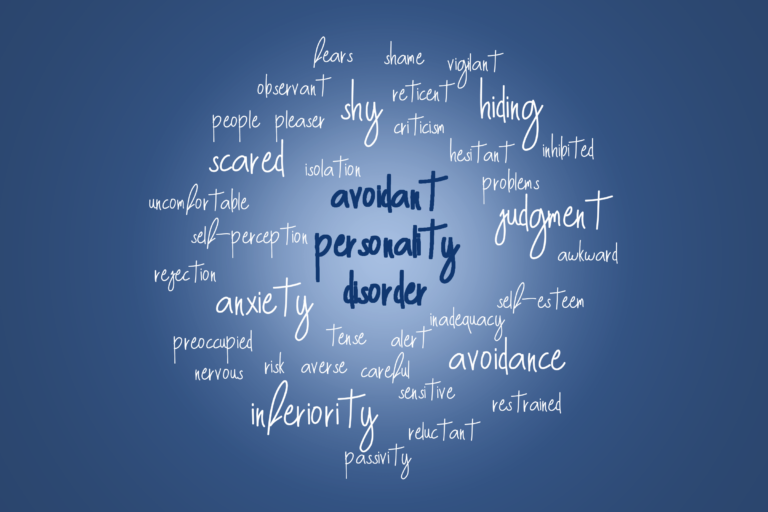
Honestly, AvPD marks a chronic, deeply ingrained behavioral pattern that just isn’t healthy. These folks, the ones diagnosed with avoidant personality disorder, they’ve got really low self-esteem. Big problem. Plus, they’re constantly fretting over what others might think about them. So, they pretty much just avoid social interactions altogether. Although they desire affection and close relationships, fear of rejection seems to keep these people from seeking such relationships.
The exact cause of AvPD is still unknown. However, it’s believed that both genetics and environment play a role. Psychotherapy is the main treatment for avoidant personality disorder. Besides, medication like antidepressants also helps an affected person.
Related Articles:
Understanding & Nurturing Recovery from Borderline Personality Disorder (BPD)
Histrionic Personality Disorder – Understanding and Supporting Individuals
Narcissistic Personality Disorder – Understanding, Coping, and Healing
Unveiling Antisocial Personality Disorder: Understanding, Impacts, and Treatment
Symptoms, Causes, and Treatment of Seasonal affective disorder (SAD)
