
Look, family dynamics can be really tough. Or really great. Sometimes both. Families give us love, sure. Support. A real sense of belonging. But honestly? They can also bring fights. Tension. And a lot of misunderstanding. In our super busy world these days, everyone’s juggling so much. It’s common for families to hit conflicts. These things just stress relationships. And mess with how everyone feels. But here’s the thing. Professional online counseling is a growing help. Families now have a good way to handle these tough spots. Really handle them.
So, how does online counseling actually help families? It lets them deal with and sort out problems. All from the comfort of home. This piece will dig into the good stuff about online counseling. We’ll talk about how easy it is to get. How convenient. The privacy. And all the different therapists you can find. Besides, we’ll go over real ways families can get through their fights. All with a skilled therapist’s help. By using online counseling, families can make their bonds stronger. Talk better. And build healthier relationships. Those connections can last through anything. No question.
Understanding Family Conflicts
Family conflicts are just part of life. They happen. They come from all sorts of things. Everyone’s different personalities. What they’ve been through. Outside pressures, too. Getting what causes these fights? That’s the first step to truly dealing with them. When families see what usually triggers conflicts and how they show up, they can better manage and fix things.
Common Sources of Family Conflicts
- Miscommunication: Honestly, bad communication. That’s a huge reason for family fights. It happens when family members just don’t get each other’s words. Their intentions. Or their actions. So, that leads to confusion. Frustration. For example, a parent might give advice. Totally well-meaning. But a teenager might hear it as criticism. And then, a fight starts.
- Differing Values and Expectations: Family members often have different values. Different beliefs. And different expectations. These come from their own experiences. Their own views. These differences can definitely cause conflicts. Especially when they bump heads. Think about cultural or generational gaps. These can bring arguments about how to live. What job to take. Or how to raise kids.
- Unresolved Past Issues: Old hurts. Problems never fixed. These things can stick around. They pop up again. And they cause constant tension in a family. Things like childhood rivalries. Past betrayals. Or lingering anger that no one ever really talked about. These old problems can just brew. And lead to the same fights over and over.
- Changes in Family Dynamics: Look, life events change how a family works. That can really cause a lot of conflict. Things like divorce. Remarriage. A new baby. Or a child moving out. These events can totally shake things up. They create new stresses. These shifts often mean people have to adjust. Some family members find that really hard to accept.
Manifestations of Family Conflicts
Family fights can show up in many ways. They mess with how family members feel. How they act. And their physical health, too.
- Emotional Symptoms: Fights in a family can bring on lots of emotional stuff. Family members might feel more stressed. Anxious. Angry, even. Or resentful. These feelings can make the home a really hostile place. So, it gets tough for people to feel safe. Or supported.
- Behavioral Symptoms: When family conflicts hit, people might change how they act. This can mean pulling away from family stuff. Avoiding family members. Or maybe getting more aggressive. Or confrontational. These changes in behavior just stress relationships even more. They make conflicts worse.
- Physical Symptoms: All that stress and tension from family fights? That can show up physically, too. Family members might get headaches. Have trouble sleeping. Stomach problems. Or even a weaker immune system. Constant family conflict really takes a toll on your physical health. It just makes the whole family situation harder.
The Impact of Family Conflicts
Honestly, family conflicts. Their impact goes way beyond just the immediate arguments. Long-term fights can lead to some serious problems. They mess with how the family works overall. And how harmonious things are.
- Resentment and Mistrust: Ongoing conflicts can build deep resentment. And mistrust. Among family members. This can totally break down communication. And make people not want to interact in the future. It just makes individuals feel more alone. It weakens family bonds.
- Emotional Distance: Unresolved fights can make family members feel distant. Emotionally. People might just shut down emotionally. It’s a way to avoid more hurt. Or disappointment. This emotional distance can stop close, supportive relationships from forming.
- Impact on Children: Children are really vulnerable. To the effects of family conflicts. Big time. Seeing frequent arguments and tension can mess with their emotional and mental growth. It can lead to anxiety. Depression. And behavior problems. It can also affect their future relationships. And how they handle tough stuff.
- Overall Family Well-being: Look, constant family conflicts. They can totally disrupt the family’s overall well-being. And how it functions. It can make things toxic. A place where people do not feel safe. Valued. Or supported. This can lessen the quality of life for everyone in the family. And stop them from doing well.
Addressing Family Conflicts
Getting what causes family conflicts. And how they show up. That’s super important for dealing with them well. Families can really benefit from seeing the patterns. The triggers that lead to fights. And then finding ways to fix things before they get bad. This often means talking openly. Having empathy. And being ready to deal with the deeper issues. Professional counseling, especially online counseling, can give great help here. It offers ways and tools to help families manage their conflicts. And sort them out in a good way.
The Benefits of Professional Online Counseling
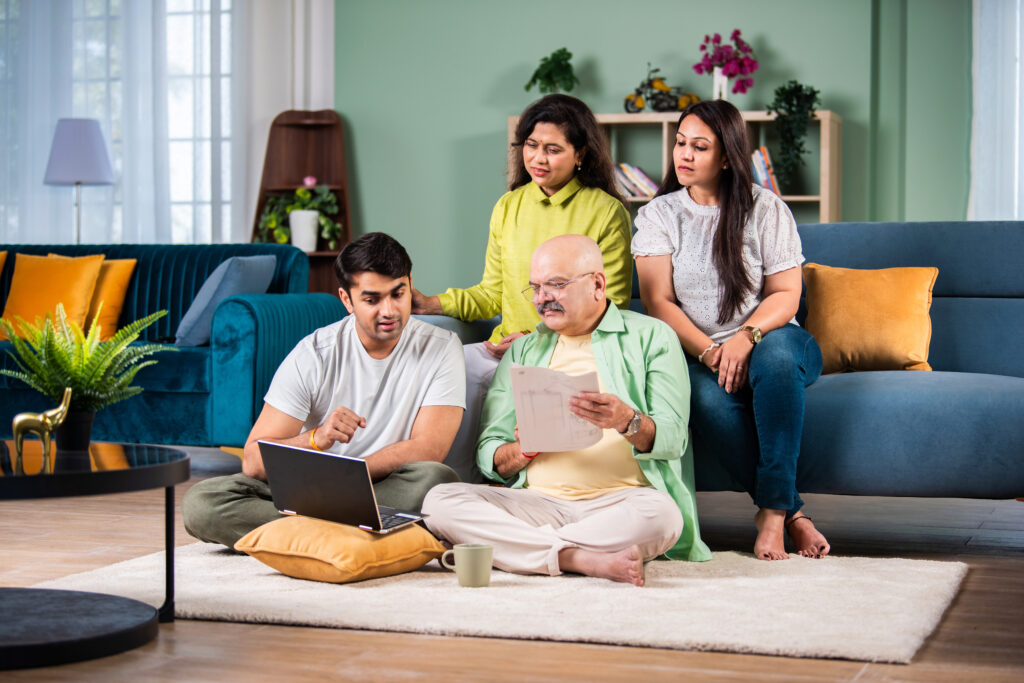
In this digital age, professional online counseling has really become a game-changer. It helps with family conflicts. And makes families feel better overall. This kind of counseling offers lots of good things. It makes it a great help for families trying to fix their problems. And build stronger, better relationships. So, what are some of the main good things about professional online counseling? Here they are.
Accessibility
- Breaking Down Geographic Barriers: Honestly, one of the biggest good things about online counseling? It’s just so easy to get. Families can get therapy from anywhere. As long as they have internet. So, no more long drives to a counselor’s office. That helps a lot for families in rural areas. Or far-off places. Places where mental health help might be hard to find.
- Inclusivity: Online counseling makes sure people with physical disabilities. Or problems getting around. They can still do therapy. Without the extra stress of transportation issues. This openness includes families with members who have different needs. And abilities.
Convenience
- Flexible Scheduling: Online counseling offers really flexible times. That can fit into busy family lives. Sessions can be set for when everyone can make it. Evenings. Weekends. So, it is simpler to fit therapy into the family’s regular routine. No question.
- Eliminating Commute Stress: Doing sessions from home means families don’t have to deal with the hassle of driving. Finding parking. Or fighting traffic. This can cut down on all the stress that comes with going to therapy.
Privacy
- Confidential Environment: Online counseling gives you a private spot. A confidential one. Family members can talk openly about tough stuff. No fear of being judged. Or exposed. Being in a place you know? That helps people feel safer. And more willing to share their thoughts. And feelings.
- Anonymity for Teens and Young Adults: What about teenagers and young adults? They might not want to go to in-person therapy. Maybe they worry about privacy. Or what people will think. Online counseling gives them some anonymity. That can get them to seek help. And really take part in sessions.
Comfort
- Familiar Surroundings: Look, doing counseling from your own home. That helps family members feel more relaxed. More at ease. This relaxed feeling can make talking more open. More honest. So, it’s easier to deal with conflicts. And sort them out.
- Reduced Anxiety: Your home environment. That familiar space. It can lower anxiety for people who find traditional therapy settings intimidating. This helps a lot for kids and teens. They might feel more comfortable speaking up in a place they know. And feel safe in.
Variety of Therapists
- Diverse Specialties: Online counseling platforms usually offer a whole bunch of therapists. They have different backgrounds. Different specialties. Different ways of working. Families can find a therapist who fits their exact needs. If they need someone good with family dynamics. Or child psychology. Or sorting out fights.
- Cultural Competence: Being able to pick from a bigger group of therapists? That makes it more likely you’ll find a professional who gets your family’s cultural background. And values. This cultural understanding can make the therapy connection better. And improve the results.
Cost-Effectiveness
- Look, cheaper costs: Online counseling can sometimes save you money compared to going to therapy in person. Families often save on gas. And they might even pay less for sessions. So, mental health help becomes easier to get. And easier to pay for.
- Insurance Coverage: Many insurance companies now cover online therapy. This really cuts down on how much money families have to pay when they look for expert help. This wider coverage means online counseling truly works for more people.
Continuity of Care
- Consistency Despite Life Changes: Honestly, life just happens. Things like moving, changing work hours, or health problems. These can mess up regular in-person therapy. But online counseling? It lets families keep going to therapy no matter what. That makes sure they keep getting help and making headway. No question.
- Emergency Access: Online platforms often mean you can get to therapists faster. Families can book emergency talks when big problems suddenly pop up. Getting help that fast can really matter. It stops fights from getting worse.
Technology Integration
- Enhanced Engagement: You know, online counseling platforms often use all sorts of tech stuff. Video calls. Chat. Digital worksheets, too. This makes sessions more interesting. And more interactive. These tools help families stay in it. They really care about the therapy process.
- Resource Sharing: Therapists can easily share articles. Exercises. Videos. All through online platforms. This gives families more ways to work on stuff between talks. Getting these things all the time just makes the therapy work better.
Navigating Family Conflicts with Online Counseling
- Spotting the Real Problems: So, the first move to fix family fights? You have to figure out what’s really causing the problems. A good therapist can help families look at these issues. They help them figure out why they’re fighting. This means everyone gets to talk openly. They share their side. That helps find those hidden problems, the stuff nobody says out loud.
- Setting What You Want to Achieve: Once they know the problems, families can work with their therapist. They figure out what they want to get out of therapy. These goals might mean talking better. Or fixing specific fights. Or even rebuilding trust. Clear goals give them a plan. They help keep the family focused on getting better.
- What Happens in Sessions: During online counseling, family members get a chance. They can say what they think, feel, and what concerns them. In a safe spot. With lots of support. The therapist leads the talks. They give advice. And share ways to sort out fights. This structured setting ensures everyone gets a voice. It’s heard. It’s respected.
- Getting Better at Talking: Good talks really matter when you want to fix family fights. Through online counseling, families can pick up important ways to talk. Like really listening. Speaking up clearly. And how to sort out fights. These skills help them say what they mean. And truly hear each other.
- Digging Into Feelings: Honestly, family fights often start because of feelings. Things like anger, fear, or just being sad. A therapist can help family members look at those feelings. Learn good ways to show them. And handle them. This digging into feelings matters a lot. It helps everyone see how fights really hit them. And helps them understand each other better.
- Building Ways to Handle Things: Dealing with family fights? That’s hard. But a therapist can show families ways to handle stress and worry. These strategies might include relaxation techniques. Mindfulness exercises. Or skills to solve problems. Good ways to cope help families deal with fights more calmly. And in a better way.
- Moving Towards Fixing Things: With a therapist’s advice, families can work towards fixing their fights. And making their relationships better again. This might mean compromising. Finding things they both agree on. And changing how they talk and act for the better. The therapist gives steady help and thoughts. This keeps families on the right path.
- Keeping Up the Good Work: After therapy, families really need to keep using what they learned. All those skills and strategies. In their everyday lives. Checking in with the therapist helps families keep going. And deal with new problems. Keeping things good? That takes work. From everyone.
Conclusion
Look, dealing with family fights can be tough. But professional online counseling offers really good help. For families wanting to make their relationships better. And fix their problems. By giving them a platform that’s easy to use, easy to get to, and really helps, online counseling helps families talk better. They learn how to sort out fights. And they build tougher, better relationships. Leaning into what online counseling offers can bring good changes that last. It builds a peaceful, loving family home. With good advice and help, families can get past their fights. They can build a family life that feels better. More connected. No question about it.
Related Articles:
Online Therapy for Blended Families: Building Harmony and Understanding
The Benefits of Online Family Counseling: Strengthening Bonds from Home
Anxiety and Sleep: Tips for Better Rest and Relaxation
