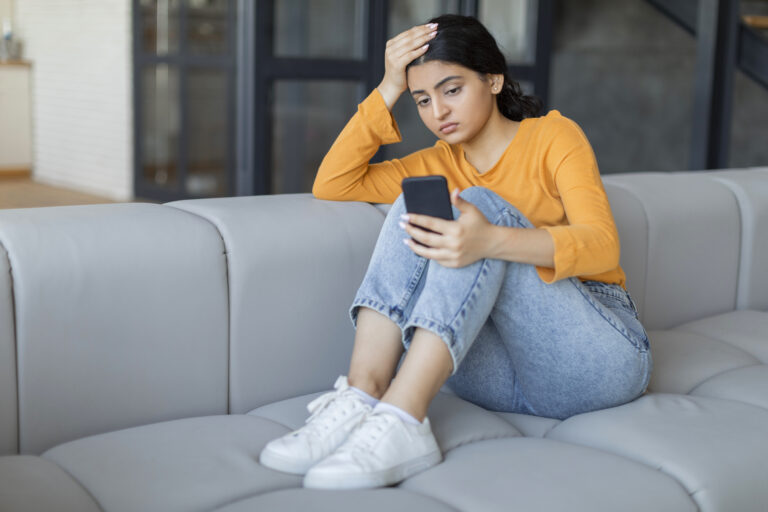
Look, in our digital world today, social media. It’s just a huge part of our everyday. No question. It really changes how we connect, how we talk, and how we deal with everything around us. Yes, these sites give us amazing chances to link up and find community. But they also bring a whole bunch of tough stuff. Especially for our mental health. One big thing social media does to our minds is mess with anxiety. Big time.
Seriously, that constant push to show a “perfect” you. Plus, the worry about missing out on cool events and experiences. All that stuff on social media can make you feel not good enough. Alone. Stressed. It can make things worse. So, in this piece, we’ll check out all the different ways social media messes with how anxious you feel. We’ll also talk about ways to get through the online world. Ways that actually help your mental state. When we get how social media and anxiety really connect, people can build better habits. Ways to cope. This makes the bad parts less, and helps create a better online experience.
Comparison and Self-Esteem Issues
Look, social media sites. They are often just like highlight reels of people’s lives. Right? They show off their best times. Their wins. What they’ve done. This really selected way of showing things can cause something called social comparison. That’s when people look at their own lives next to others’. And it often makes them feel not good enough. Or just plain bad about themselves.
- Idealized Representations: People on social media often only put up the good stuff. Like cool trips. Big achievements. Or really special moments. This picking and choosing what to share? It makes things look totally fake. So, it’s easy to compare your own life. And feel like it just does not measure up to what looks like everyone else’s perfect life.
- Filtered and Edited Content: And all those photo-editing tools and filters on social media? They mess with reality even more. People can easily make themselves look better. Or different. In pictures. This can cause some totally fake beauty standards. And problems with how you see your body. Especially for young people. They might feel pushed to look like those ‘perfect’ pictures.
- Fear of Missing Out (FOMO): Always seeing posts about fancy trips. Parties. Or social get-togethers? That can really make people feel like they’re missing out. FOMO, right? Especially if they are not actually there. Watching friends or people you know having fun without you? That can make you feel really lonely. Left out. And anxious. It just makes you doubt yourself more. And feel less safe.
- Impact on Self-Esteem: Seriously, comparing yourself to others on social media. That can really hurt how you feel about yourself. You might feel like you just don’t stack up to what looks like your friends’ successes. Or their happiness. This never-ending comparison can slowly chip away at your self-confidence. It can make you feel useless. Or not good enough. And honestly, it just makes anxiety and stress worse.
Fear of Missing Out (FOMO)
Look, Fear of Missing Out, or FOMO. That’s a huge thing. And social media sites really make it worse. It’s when people feel anxious. Or just plain bad. At the idea of not being part of exciting events. Or cool experiences. Or chances that other people are doing. So, how does FOMO really show up on social media? And what does it do to how people feel inside? Let’s check it out.
- Constant Connectivity: Social media sites give you this feeling of always being connected. Users see instant updates. And the best parts of their friends’ lives. Is it pictures of parties? Far-off places? Or cool social gatherings? People might just feel like they have to stay online. So they do not miss out on these things.
- Amplified by Social Comparison: FOMO often gets bigger because of social comparison. People look at their own lives. Then they look at what seems like the perfect, exciting stuff others show on social media. Watching friends or people you know having fun without you? That can make you feel really lonely. Left out. And anxious. This makes you see your own life in a totally wrong way.
- More Anxiety and Insecurity: Feeling FOMO can really bring on anxiety. Feeling unsure. Not good enough. People worry about being left out. Or just not being as good as their friends. That fear of missing out on big events or chances? It can make you constantly on edge. Anxious. So, it’s hard to just chill out. To enjoy right now.
- Impact on Mental Well-Being: So, always feeling FOMO? That can really mess with how people feel inside. It makes stress levels higher. Lowers self-esteem. And just makes life less satisfying overall. Always comparing yourself to others. Feeling like you’re missing out on cool things? That can chip away at your self-confidence. It just leads to feeling unhappy. And not okay with things.
Cyberbullying and Harassment
Look, cyberbullying and harassment. These are big problems on social media sites. People might face specific attacks. Threats. Or just mean stuff. From friends. People they know. Or even total strangers. So, how do cyberbullying and harassment really show up on social media? And what do they do to how people feel inside? Let’s take a closer look.
- Anonymity and Distance: Being anonymous online. And being far away. That can make people brave enough to say really mean things. Without having to deal with it right away. Hiding behind a screen? People might feel strong enough to say nasty stuff. Spread gossip. Or just be cruel. They go after easy targets. Without a bit of feeling. Or regret.
- More Negative Interactions: Social media sites make bad interactions bigger. No question. Hurtful comments. Posts. Or messages. They can fly around to tons of people so fast. What starts as just one mean thing? That can turn into a full-blown attack. This can really mess someone up emotionally. And hurt them.
- Psychological Effects: Dealing with cyberbullying and harassment. That can really mess with your head. Big time. It brings on more stress. Anxiety. And depression. People who get picked on might feel ashamed. Embarrassed. Helpless. Because online bullies just keep attacking. Keep criticizing. That never-ending worry about being a target. Or being made fun of. That can chip away at how you feel about yourself. Your confidence. It makes you feel less valuable. And less like yourself.
- Impact on Mental Well-Being: So, always dealing with cyberbullying and harassment? That really hurts how people feel inside. It leads to a bunch of bad stuff. More mental pain. Being alone a lot. And just making life less satisfying overall. People who are targeted might feel buried. By all those mean things online. It just makes them feel no hope. And really sad.
Information Overload and Digital Fatigue
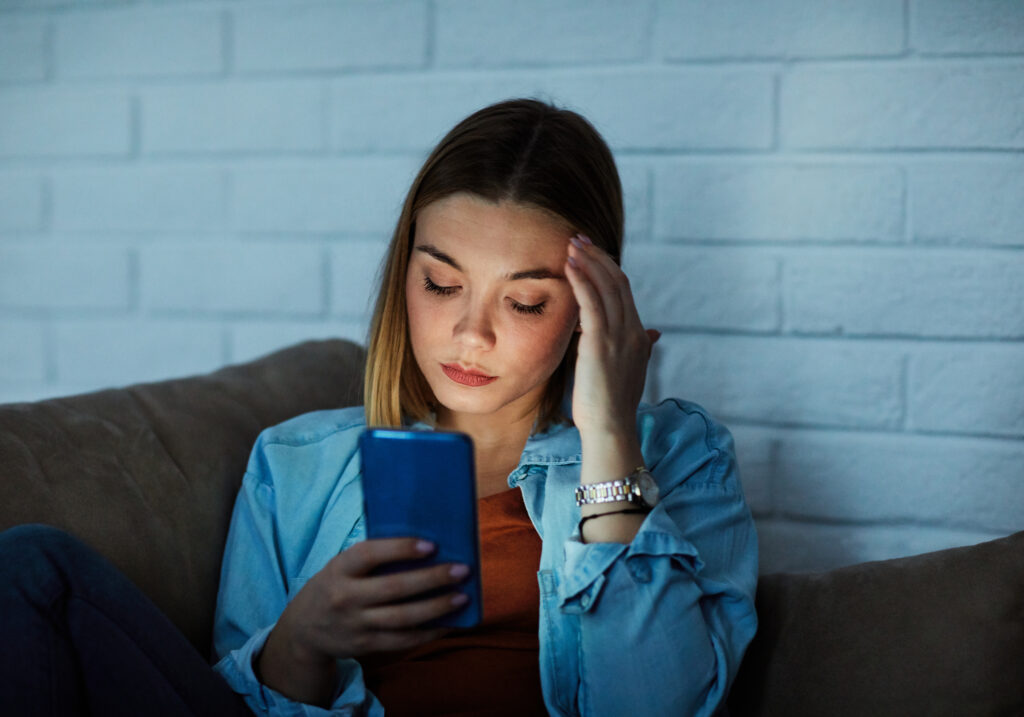
In today’s digital age, individuals are inundated with a constant stream of information from various sources, including social media platforms, news websites, and online forums. While access to information is valuable, the sheer volume and constant influx of data can lead to a phenomenon known as information overload, where individuals feel overwhelmed and mentally exhausted by the sheer amount of content they encounter. Here’s a closer look at how information overload and digital fatigue manifest on social media and their impact on individuals’ mental well-being:
- Constant Exposure to Information: Social media platforms are designed to keep users engaged and connected by providing a steady stream of updates, notifications, and news articles. The continuous flow of information can be relentless, leaving individuals feeling bombarded and unable to keep up with the constant influx of content.
- Cognitive Overload: Processing large amounts of information can overwhelm the brain’s cognitive resources, leading to cognitive overload. When individuals are exposed to too much information at once, they may struggle to focus, concentrate, or retain important details, leading to decreased productivity and increased mental fatigue.
- Reduced Attention Span: The fast-paced nature of social media contributes to a shortened attention span, as individuals are constantly scrolling through their feeds in search of new and interesting content. This constant stimulation can make it difficult for individuals to engage in deep, focused thought or sustain their attention on a single task for an extended period.
- Digital Fatigue and Burnout: Experiencing information overload on a regular basis can lead to digital fatigue and burnout, where individuals feel mentally and emotionally drained by their online experiences. The pressure to constantly stay connected and informed can create a sense of obligation to engage with social media, even when it’s not enjoyable or beneficial.
- Impact on Mental Well-Being: Information overload and digital fatigue can have a significant impact on individuals’ mental well-being, contributing to heightened levels of stress, anxiety, and overwhelm. The constant bombardment of information can lead to feelings of powerlessness, inadequacy, and FOMO (fear of missing out), as individuals struggle to keep up with the demands of their online lives.
Unrealistic Beauty Standards
Social media platforms often perpetuate unrealistic beauty standards through curated images, filtered photos, and edited videos, contributing to a culture of comparison and body dissatisfaction. Here’s a closer look at how unrealistic beauty standards manifest on social media and their impact on individuals’ mental well-being:
- Idealized Images: Social media platforms are flooded with idealized images of beauty, featuring individuals with flawless skin, perfect proportions, and impeccable grooming. These images are often heavily edited or filtered to enhance physical attractiveness, creating an unrealistic standard of beauty that is unattainable for most people.
- Comparison Culture: Constant exposure to idealized images of beauty can lead to a culture of comparison, where individuals measure their own appearance against the unattainable standards portrayed on social media. Comparing oneself to highly curated and edited images can fuel feelings of inadequacy, insecurity, and low self-esteem.
- Body Image Issues: The prevalence of unrealistic beauty standards on social media can exacerbate body image issues, leading individuals to feel dissatisfied with their own appearance. Seeing flawless images of models and influencers can distort perceptions of normalcy and lead to unhealthy behaviors, such as excessive dieting, cosmetic procedures, or disordered eating habits.
- Impact on Self-Esteem: Exposure to unrealistic beauty standards on social media can erode self-esteem and self-confidence, as individuals may feel like they don’t measure up to the perceived perfection of others. The constant pressure to conform to narrow beauty ideals can lead to feelings of worthlessness, insecurity, and self-doubt.
Fear of Judgment and Social Rejection
Look, worrying about being judged. Or rejected socially. That’s a big thing for a lot of people on social media. They worry about being watched. Criticized. Or just left out. And that brings on anxiety. You feel self-conscious. Big time. So, how does this fear of judgment and rejection actually show up online? And what does it do to people’s minds? Here’s how it plays out:
- Performance Anxiety: Social media, it’s like a constant performance stage. People feel this pressure to look good. To get friends to approve. That fear of not being good enough. Or getting slammed for saying something unpopular. It kicks off performance anxiety. People get self-conscious. Anxious about everything they do online.
- Approval Seeking Behavior: Wanting others to say you’re good. To accept you. That pushes people to seek approval online. They might promote themselves too much. Chase likes and comments. Or just follow trends. All to get approval. And not get rejected. This never-ending need to be told you’re okay? It really messes up being yourself. And it hurts your confidence.
- Cyberbullying and Online Harassment: Honestly, cyberbullying and online harassment. Those things just make the fear of judgment and rejection way worse on social media. People worry about being targeted. Bad attention. Being made fun of. Or even abused. By friends. By people they know. Even strangers. And that leads to tons of stress. Anxiety. Paranoia. Scary stuff.
- Comparison and Envy: So, social media really builds this comparison culture. People size up their own value. And success. Against what others seem to achieve. And how they live. That fear of not being good enough. Or being seen in a bad light compared to others. It brings on envy. You feel inadequate. Not great about yourself. And that just makes the fear of judgment even bigger.
Conclusion
Look, this fear of judgment. And social rejection online? It can really mess with people’s minds. It brings on a lot of anxiety. Self-consciousness. And insecurity. Big time. All that pressure to perform. To get approval. To fit those fake standards. That really hurts your self-esteem. Your confidence. It makes you feel not good enough. And alone.
But honestly, you can manage this fear of judgment and rejection online. How? By being kind to yourself. Setting limits. Building real connections. Speaking up for yourself. And getting help. When people put their mental and emotional health first? They can handle social media’s tough spots better. With more strength. And confidence. This helps them build better relationships. With themselves. And with others. In this digital world.
Related Articles:
How Online Therapy Can Help with Anxiety Disorders
The Role of Cognitive Behavioral Therapy (CBT) in Treating Anxiety
Anxiety in the Workplace: Tips for Managing Stress and Pressure
The Importance of Self-Care in Managing Depression: Tips and Online Resources
How to Support a Loved One with Depression Through Online Therapy
