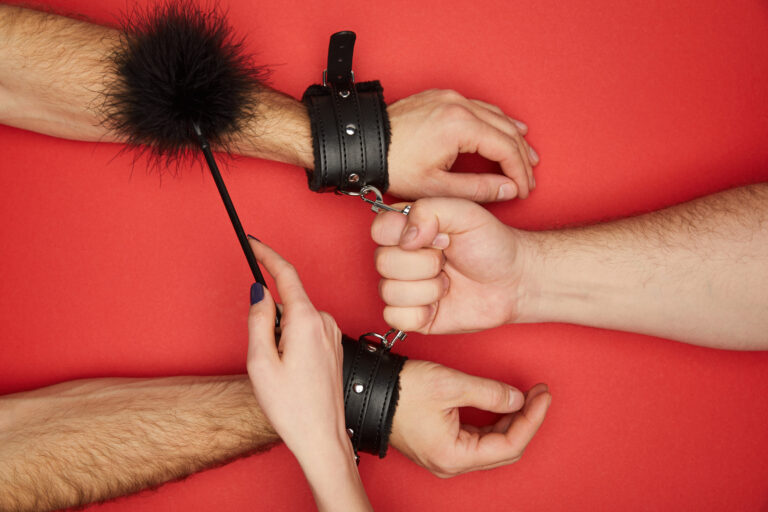
Introduction:
Look, human sexuality. It’s really big. So many desires. So many practices. Sexual sadism, that’s one of them. We need to check out how it works in people’s minds. We’re also talking about how consent and ethics really matter. Plus, we want to encourage exploring this responsibly. The goal? More understanding. Better talks. A culture that’s cool with sex.
Defining Sexual Sadism:
Sexual sadism. It’s a type of sexual interest. Basically, someone gets sexual pleasure from hurting others. Or making them suffer. Maybe humiliating them, too. You gotta know the difference. Consensual BDSM, that’s one thing. Non-consensual acts that go against someone’s “yes”? That’s another. BDSM is all about consent, talking things out, everyone having a good time. But non-consensual sadistic acts? Nope. They’re wrong. Not okay.
Psychological Underpinnings:
Where does sexual sadism come from? It’s not simple. Lots of things play a part. Early life stuff, for example. Genes. How your brain works. Even certain personality traits. All these can lead to sadistic feelings. But here’s the thing. Not everyone with sadistic leanings has gone through trauma. Knowing more about the psychology behind it? That helps us be more understanding. It also helps us build places where people feel supported.

The Importance of Consent and Ethics:
Honestly, consent. It’s the base for any good sexual moment. Big deal. Especially when power stuff and possible harm are in the mix. So, consent needs to be super clear. People must know what they’re saying yes to. It has to be something that keeps going. And you can always take it back. Any time. Ethical thinking means talking openly. Respecting limits. And always putting everyone’s safety and self-rule first. You just have to tell apart BDSM exploration that’s consensual from things that are not.
Responsible Exploration and Risk Mitigation:
Okay, for the consensual sadistic play lovers. Exploring this responsibly. This is really important. You have to speak clearly when you get into BDSM play. You have to work out limits. And put safety things in place. Safewords. Aftercare. Checking in regularly. These all help keep everyone safe and okay. Learning stuff, thinking about yourself, and getting professional help? All that helps create good, healthy ways to express sexual sadism.
Support, Education, and Empathy:
Look, dealing with this stuff? It can be hard. So, finding support from mental health pros who know about sexual behavior. Learning things. Talking openly. That helps clear up wrong ideas. It cuts down on shame. It builds understanding. Making a kinder society? That means questioning old rules. It also means building a culture where consent is everything. Plus, making safe spots for people to check out their desires without anyone judging them.
CONCLUSION
SEXUAL SATISFACTIONS BY CAUSING PAIN AND SUFFERING
So, sexual sadism. It’s a type of paraphilia. Basically, you get sexual satisfaction from humiliating someone. Or making them scared. Or just causing other kinds of mental harm. This isn’t like BDSM. Not in the least. BDSM is the art of saying ‘yes’ Talking things over Everybody having a good time. But these other acts? Totally wrong. Not okay. What makes someone sadistic? Well, lots of things. Childhood stuff, like trauma. Genes, sure. How the brain works. Personality traits, too.
Learning more. Being aware. Thinking about yourself. Talking openly. Getting expert advice. All these things create good ways to deal with sexual sadism. They also clear up wrong ideas. And cut down on shame. Big difference.
Related Articles:
Understanding Frotteurism – Addressing Non-Consensual Sexual Behavior
Voyeurism – Psychological, Legal, and Ethical Perspectives
Safeguarding Children – Understanding, Preventing & Combating Pedophilia
Fetishism – A Journey into Erotic Desires
Gender Diversity – Understanding, Supporting, Advocating for All
